
Jump to: Links to Full Articles
Jump to: Outlaw Summaries (name begins with) A B C D E F G H I J K L M N O P Q R S T U V W X Y Z
Guadalupe Caballero, aka The Owl – Caballero was a member of Vicente Silva’s White Caps Gang in Las Vegas, New Mexico. Acting as the gang’s chief spy, he was later captured and sentenced to ten years in prison for his participation in the killing of Pat Meas.
Andrew Cameron – New Mexico outlaw and murderer, Cameron shot and killed Donaciano Tafoya on April 25, 1881.
Edmund Campbell (18??-1875) – A black man, Campbell murdered Lawson Ross and his wife in Indian Territory in revenge for an insult. On September 3, 1875, he was hanged at Fort Smith, Arkansas.
William “Wild Bill” Campbell (18??-1881) – Campbell rode with outlaw Jesse Evans. He was later lynched by a mob in Arizona in 1881.
William Campbell, aka The Kid – Montana outlaw member of the Ashly Gang of Montana in 1884. He was killed by lawmen.
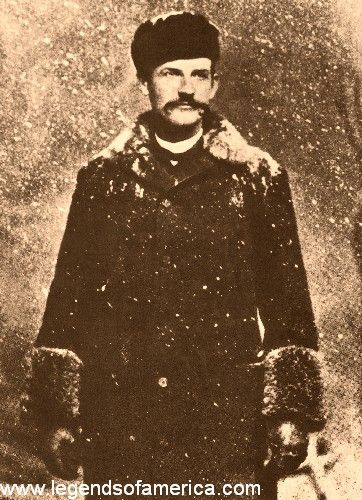
Frank Canton
Frank M. Canton, aka Joe Horner (1849-1927) – Gunman, outlaw, lawman, and rancher, Canton lived in Oklahoma, Wyoming, Alaska, and Montana.
Louis Cardis – A Texas outlaw, Cardis led the Mexican faction in the EI Paso Salt War and was killed by Judge Howard in 1877.
“Laughing” Sam Carey – Possibly also known as Laughing Dick Carey, he was a member of the loosely knit Hole in the Wall Gang in Wyoming during the latter part of the 19th century.
Peter Carl – A New Mexico outlaw, Carl shot and killed Harry Huber in a saloon in Rincon, New Mexico, on August 31, 1884.
Thomas “Kye” Carlile – Early leader of the Cookson Hills Gang, he was the chief suspect in a Bixby, Oklahoma, and Springdale, Arkansas bank robberies. He was also suspected of murdering a woman named Susie Sharp and four Oklahoma lawmen. He was killed by lawmen in Cherokee, Oklahoma, in September 1932.
“Carlisle Kid” – See Nah-deiz-az
John Carlisle – A Texas outlaw, Carlisle was hanged in 1893 for conspiracy to commit murder.
William L. “Bill” Carlisle – Train robber in California and Wyoming, Carlisle was the last of the Old West train robbers. He was finally captured and imprisoned in the 1900s.
Patrie Carmondy – A New Mexico outlaw, Carmondy was jailed with Mexican conspirators Jagola and Gonzales for killing William Wiggins. The three escaped from jail in Socorro, New Mexico, in October 1888.
Jose M. Carrolla, aka: Portuguese Jo – Outlaw member of the Wild Bill Martin Gang, he was shot and killed by John Perry on June 19, 1877.
Alexander Carter – A road agent in Montana and thought to have been a member of Henry Plummer’s gang of Innocents. Montana Vigilantes hung him.
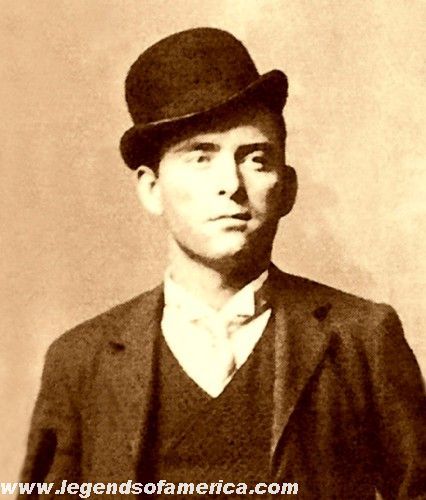
Bill Carver
William Carver (1866?-1901) – An outlaw and Texas cowboy, Carver rode with the Black Jack Ketchum Gang, the Wild Bunch, and the High Fives Gang. While robbing with the Kilpatrick brothers, he was killed by a posse led by Sheriff Lige Briant in 1901 outside Sonora, Texas.
James P. Casey – Editor of the San Francisco Times newspaper, Casey shot James King, proprietor of the rival Evening Bulletin. When King died six days later, in what was probably the largest vigilante committee ever formed, some 2,600 men marched to the jail, broke Casey out, and lynched him along with his unfortunate cellmate on May 14, 1856.
Jim Casey – An Oklahoma outlaw, Casey was jailed for the alleged killing of a Yukon deputy. He was shot when he attempted to escape from jail on June 30, 1895.
Joe Casey – An Arizona outlaw, Casey was jailed by Sheriff Bob Paul in 1882 in Tucson, Arizona. After escaping, he was captured and hanged.
James C. Casharego – See George Wilson
Butch Cassidy, aka Robert Leroy Parker, (1867-1911 or 1937) – Leader of the Wild Bunch, the gang robbed trains and banks in Utah, Nevada, Wyoming, Colorado, New Mexico, and other states. He and Harry Longbaugh, the Sundance Kid, were allegedly killed in Bolivia or Argentina in 1908.
Candido Castillo – An outlaw with rewards on his head totaling $2,400, he was shot and killed by a posse near Espanola, New Mexico, in 1884.
Catfish Kid – A Texas outlaw, the “kid” reportedly killed deputy Sheriff L.S. Pierce in a gunfight and was imprisoned for murder.
Jim Catron, aka The Pagnas Stage Robber – This Colorado outlaw was shot and killed by a guard in the 1880s at Fort Garland, Colorado.
Cattle Kate – See Ellen Watson
Icnacio Chaco – Outlaw member of the Castillo Gang.
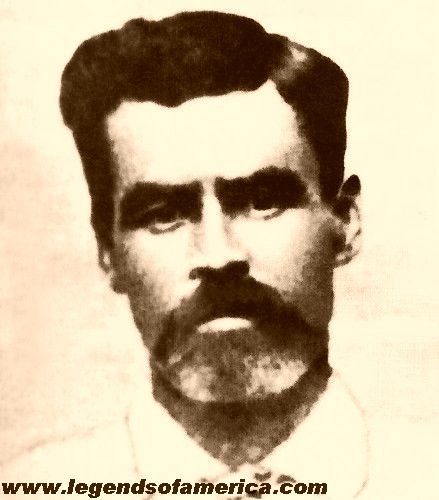
Augustine Chacon
Augustine Chacon, aka Paludo, Peledo, the Hairy One (18??-1902) – Led a gang who murdered and robbed in Arizona. He escaped jail and execution twice before being captured by the deputy sheriff of Cochise County, Burton Alvord. He was hanged on November 21, 1901.
William “Bill” Chadwell, aka Bill Stiles (1840s-1876) – William “Bill” Chadwell, aka Bill Stiles, rode with the James-Younger Gang robbing trains and banks. He was killed in the attempted robbery at the First National Bank in Northfield, Minnesota.
Wade Chamberlee – Oklahoma train robber arrested by Grant Johnson.
Joe Chancellor – See Tom O’Day
Antonio Chavez – A New Mexico outlaw, he was shot and killed during a holdup outside San Simon, New Mexico, on May 21, 1880.
Carlos Chavez – A New Mexico outlaw, Chavez was hanged for slaying Yum Kee in Silver City, New Mexico, in 1884.
Fernando Chavez – A New Mexico outlaw, he was lynched in Las Lunas, New Mexico, on October 6, 1881.
Josefito Chavez – An outlaw and horse thief, he was also a gunman in the Lincoln County War of New Mexico.
Pedro Chavez – An outlaw and member of Augustin Chacon’s gang in the 1890s. He was arrested for robbery, escaped prison at Tuscon, Arizona, and was killed in a gun battle with Sheriff Wakefield.
Jose Chavez y Chavez – Outlaw member of Vicente Silva’s White Caps Gang of Las Vegas, New Mexico. The last surviving gang member, he was sentenced to life imprisonment.
Cherry, aka The Kid – Outlaw member of Ike Stockton’s gang. Dyson Eskridge shot him in the back.
John Childers, Jr. (1849-1873) – Robbed and murdered Rayburn Wedding in October 1870 in the Cherokee Nation of Indian Territory. Though he was immediately arrested, he escaped from a federal jail in Van Buren, Arkansas. He was recaptured in 1871. On August 15, 1873, he became the first man to be hanged at Fort Smith, Arkansas.

Western manhunt by John W. Newton, appeared in The Story of the Outlaw..
Robert “Bob” Christian, aka Tom Anderson (1868-?) – Older brother to Will “Black Jack” Christian, Bob was a member of the High Fives Gang. Will Christian was killed by a posse in Arizona in 1897. Bob Christian escaped and was known to have been jailed in Fronteras, Senora, Mexico, in 1897 for “shooting up the town.” After his release, he disappeared.
Will “Black Jack” Christian, aka Ed Williams (1871-1897) – Leader of a gang of robbers called the High Fives Gang, he and his brother older brother Bob would roam Oklahoma, New Mexico, and Arizona where they robbed banks, trains, and stagecoaches in earnest.
Willard Erastus Christianson, aka Matt Warner, Ras Lewis (1864-1938) – Both an outlaw and a lawman, Christianson started as an outlaw changing his name to Matt Warner. He rode with Butch Cassidy and wound up in prison. Afterward, he served as Justice of the Peace and deputy sheriff in Carbon County, Utah.
Ned Christie (1852-1892) – Cherokee Indian outlaw Christie was a horse thief who killed Marshal Dan Maples and others. He was killed by a posse on November 2, 1892, in the Cherokee Nation of Indian Territory.
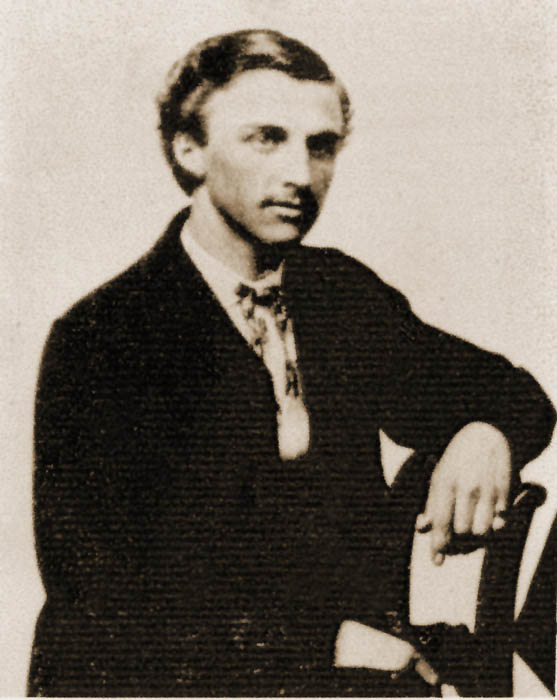
Billy Claiborne
William F. “Billy” Claiborne (1860-1882) – A gunman and cowhand, moved to Cochise County, Arizona, where he became a member of the Clanton Gang. He survived the O.K. Corral gunfight and was killed by Buckskin Frank Leslie in Tombstone in November 1882.
Eddy “Newt” Clanton (??-1934) – Outlaw member of the Cookson Hills Gang, participating in numerous bank robberies in Oklahoma, Kansas, Nebraska between 1932-34. Also suspected of two murders, he was killed by police officers in Chelsea, Oklahoma, in February 1934.
Finneas Clanton – Son of Ike Clanton and member of the Clanton Gang. Although not as active an outlaw as his brothers, he did serve a prison sentence for cattle rustling.
Isaac “Ike” Clanton (1847-1887) – Gunman and member of the Clanton Gang of Cochise County, Arizona. He was unarmed when the Earps and Doc Holliday advanced on them at the O.K. Corral.
Newman Haynes “Old Man” Clanton (1816-1881) – The head of the Clanton Gang in Cochise County, Arizona, was accused by the Earps of rustling, ambushing smugglers, and harboring outlaws. He was never prosecuted or arrested for these alleged crimes.
Robert Clanton – A gunman who killed Jerome and Dick Maddox, and Lew Coates in a gunfight in Portland, Missouri, in 1863. He escaped to Texas but was apprehended 25 years later for murder.
William “Billy” Clanton (1862-1881) – A gunman and member of the Clanton Gang in Arizona. He participated in the Gunfight at the O.K. Corral and was killed with Frank and Tom McLowery.
Barnard Clark – Oklahoma outlaw that rode with Al Spencer and Jelly Nash.
Thomas Clark, aka Pennsylvania Butch – An outlaw and member of the gang that held up a train outside Marcus, Illinois. He was arrested and sent to the prison at Joliet.
Newton Clayton – A murderer and bank robber in Oklahoma.
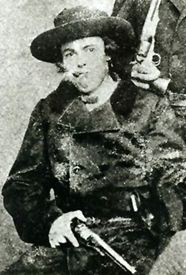
Archie Clement
Archibald J. “Little Archie” Clement (1846-1866) – A federal guerilla under William “Bloody Bill” Anderson in the Civil War, he later was the first leader of the James-Younger Gang. He was killed by Missouri State Militia on December 13, 1866.
Emanuel Clements, Sr., aka Mannen (18??-1887) – An outlaw, cousin, and cohort of John Hardin, he killed two men in July 1871 in Indian Territory. He was later jailed in Kansas by Wild Bill Hickok but was released on request of Hardin. He was killed at Ballinger, Texas, on March 29, 1887.
George Cleveland – A black outlaw, he was a member of Kit Joy’s gang and was killed by the gang after escaping from jail at Silver City, New Mexico, in March 1884.
Daniel “Dynamite Dick” Clifton (1865-1897) – Dan Clifton was already a wanted man before joining the Doolin Gang in 1892. Lawmen were constantly on his tail having committed robbery, safecracking, and cattle rustling in Oklahoma.
Tilton Cockerill – An outlaw and former army officer, he led a group that robbed a train at Verdi, Nevada, on November 4, 1870.
Chas Coe – A lawman and outlaw, Coe killed two men in Grayson County, Texas, in 1884 and was indicted for murder.
William “Bill” Coe (18??-1868) – Leader of the Oklahoma Bill Coe Gang, he headquartered in an area now known as Robber’s Roost in the Oklahoma Panhandle. Vigilantes lynched him in 1868.
Chas Coe – A lawman and outlaw, he killed two men in Grayson County, Texas, in 1884 and was indicted for murder.
George Collins – A train robber, he killed a Pinkerton detective and was hanged on March 26, 1904.
Henry Collins – A gunman, he allegedly helped Sam Bass rob a train in 1878 at Mesquite, Texas.
Joel Collins – An outlaw, he joined Sam Bass in a train robbery near Big Springs, Nebraska, and was killed by soldiers near Hays City, Kansas.
William Collins (18??-1878) – An outlaw, he joined Sam Bass after his brother Joe was killed and participated in a train robbery. He was arrested, escaped, and fled to Canada, where he and U.S. Marshal Bill Anderson shot and killed each other.
Jim Cook – An outlaw and brother of William Cook, he was wounded while resisting arrest in the Cherokee Nation of Indian Territory.

Bill Cook, outlaw
William “Bill” Tuttle Cook, aka The Cherokee Kid, John Williams; John Mayfield (1873-1900) – Outlaw leader of the Cook Gang, which committed several bold robberies throughout the Indian Territory. On January 11, 1895, he was sentenced to 45 years imprisonment in the federal prison at Albany, New York. He died there on February 15, 1900.
John Cooper – A road agent in Montana and thought to have been a member of Henry Plummer’s gang of Innocents. Montana Vigilantes hung him.
James Copeland (1815-1857) – Killing, robbing, and thieving, mainly in Mississippi, Copeland was the co-leader of a 60 man gang known as the Wages and Copeland Clan. He was captured and executed at Augusta, Mississippi, on October 30, 1857.
Burt Corman – Shot and killed Matt Craig on December 27, 1886, in Fairview, New Mexico.
Silveria Coma – Murdered Tavian Pacheco on July 15, 1882, in Sabinal, New Mexico.
Brack Cornett (18??-1888) – The co-leader of the Bill Whitley or Brack Cornett Gang, Cornett robbed banks and trains in southwest Texas in the late 1880s. Cornett was doggedly pursued by Texas Ranger Alfred Allee, who caught up with him. When gunplay erupted Cornett was killed.
Gregorio Cortez (1875-1916) – A Texas rustler and outlaw, he killed Kames County Sheriff Morris and Gonzales County Sheriff Robert Glover. After serving just eight years in prison, he was pardoned.
Juan Nepomucena Cortinas, aka Juan Cortina, Cheno – A Mexican bandit chieftain, led raids against towns north of the Rio Grande during the 1850s. He captured the U.S. Army garrison at Brownsville, Texas. After the Texas Rangers killed several of Cortina’s leaders, the Mexican bandit retired and died in 1892.
Pat Coughlin – Outlaw cattle rustler and friend of Billy the Kid, he was apprehended by John W. Poe but released after the only witness was gunned down.
Ed Coulter – An outlaw, he was lynched by vigilantes in New Mexico in October 1881.
James H. Craft – An outlaw and partner of Charles G. Walrath, he murdered William Shook near Ojo Caliente, New Mexico. Both he and Walrath were lynched on June 30, 1879.
Jim Crane – An outlaw in Arizona and New Mexico who died in a shoot-out in 1881.
Ben Cravens – An Oklahoma outlaw, he was jailed for rustling cattle but escaped. He was again captured in July 1894 and given a lengthy prison term but escaped by killing a guard. He was recaptured in November 1896 but escaped again.
Foster Crawford (18??-1896) – An outlaw who rode with Elmer “The Slaughter Kid” Lewis and robbed and murdered in Texas. The pair were captured by Texas Rangers, jailed, and lynched on February 27, 1896.
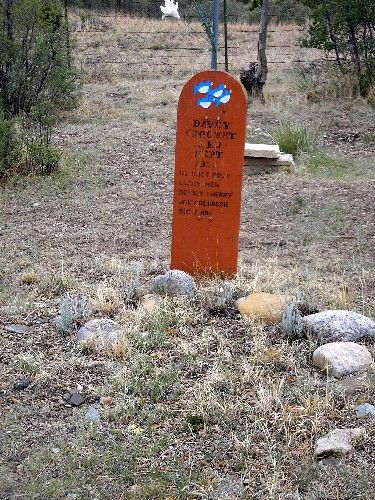
Davy Crockett Grave, Cimarron, New Mexico
David “Davy” Crockett (1853?-1876) – A gunman and outlaw, Crockett was the nephew of the more famous Davy Crockett of Alamo fame. After escaping from a Texas prison in 1872, he made his way to Cimarron, New Mexico, where he and an accomplice killed three black soldiers in cold blood. He was later shot dead while resisting arrest.
Zacariah Crompton – An outlaw and horse thief, he and several others killed Isidoro Patron, Isidoro Padilla, Dario Balazar, and Jose Candelaria in Lincoln County, New Mexico, on December 20, 1873.
Tom Crook – Oklahoma outlaw who killed U.S. Deputy Marshal Charley Pettit in the Osage Nation of Indian Territory.
Charles H. Crosthwaite – A gunman and newspaperman, he was hanged for killing George W. Johnson in January 1889.
Jackson Crow (18??-1888) – Killed a prominent merchant named Charles Wilson in the Choctaw Nation of Indian Territory in 1884. He was hanged in Fort Smith, Arkansas, on April 27, 1888.
Patrick Crowe – An outlaw, he robbed a train in 1894 and stole diamonds in Denver, Colorado. He was captured in Cincinnati, Ohio, and sentenced to three years in prison.
Boudinot Crumpton, aka Bood Burris (18??-1891) – Convicted of killing his traveling companion, Sam Morgan, in Oklahoma, Crumpton maintained his innocence. He was hanged at Fort Smith, Arkansas, on June 30, 1891.
Florentino Cruz – An outlaw in Arizona and New Mexico, he was killed by Wyatt Earp in 1882.
Ed Cullin, aka: Shoot ’em Up Dick – An outlaw member of Black Jack Ketchum’s gang, he was killed during a train robbery in December 1897.
Jim Cumming, aka James Cunnieus – Wanted for larceny and murder, Cumming killed Captain Will Fields in the Creek Nation of Indian Territory.
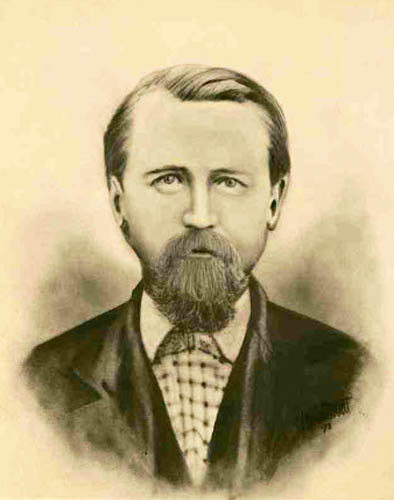
James Cummins.
James Robert Cummins or Cummings, aka: “Windy Jim,” James Johnson, “Old Jim” (1847-1929) – A known horse thief, he joined the James-Younger Gang after the Civil War and was involved in the train robberies at Winston and Blue Cut, Missouri.
George Curry, aka Flat Nose, Big Nose, Tom Dilly (1864-1900) – An outlaw member of the Wild Bunch, he taught robbery skills to Harvey Logan (Kid Curry), whom he raised. He was shot and killed after a bank robbery in 1900 by the lawmen from Vernal, Utah.
Kid Curry – See Harvey Logan
John Curry – An outlaw killed along with Dick Rodgers on March 13, 1885, attempting to help a prisoner escape from the Springer, New Mexico jail.
Old John Cush – Outlaw member of the Black Jack Ketchum gang, he was captured by Jeff Milton and sent to prison.
©Kathy Alexander/Legends of America, updated August 2025,
Jump to: Links to Full Articles
Jump to: Outlaw Summaries (name begins with) A B C D E F G H I J K L M N O P Q R S T U V W X Y Z