
By Jesse Galanis.
In early America, most people had very few places where real rest was possible.
Daily life in early America left many people exhausted, injured, or worn down, with few real treatment options available. That is why stories about healing springs that can calm the body or ease discomfort spread so quickly from town to town. They traveled long distances for it, too, along muddy roads, on packed stagecoaches, and on long rail journeys later on.
The springs promised something people desperately wanted — relief. Not just physical relief either. But, mental relief, quiet, routine, and time away from whatever was wearing them down.
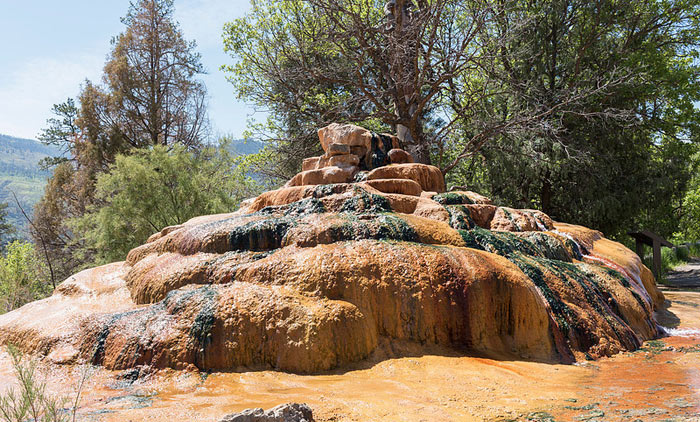
Pinkerton Hot Springs, Durango, Colorado. Photo by Carol Highsmith.
People soaked in water that smelled strongly of sulfur or iron and came away convinced something inside them had changed. Sometimes it probably did. Sometimes the real cure was finally resting for the first time in months.
Either way, the belief stuck.
Over time, those destinations grew into cultural landmarks associated with both health and hospitality throughout early America.
In this guide, we’re breaking down how healing springs became so influential, what gave them their reputation, and why they continue to draw modern travelers seeking restoration.
The Natural Wonders: What Defines a Healing Spring?
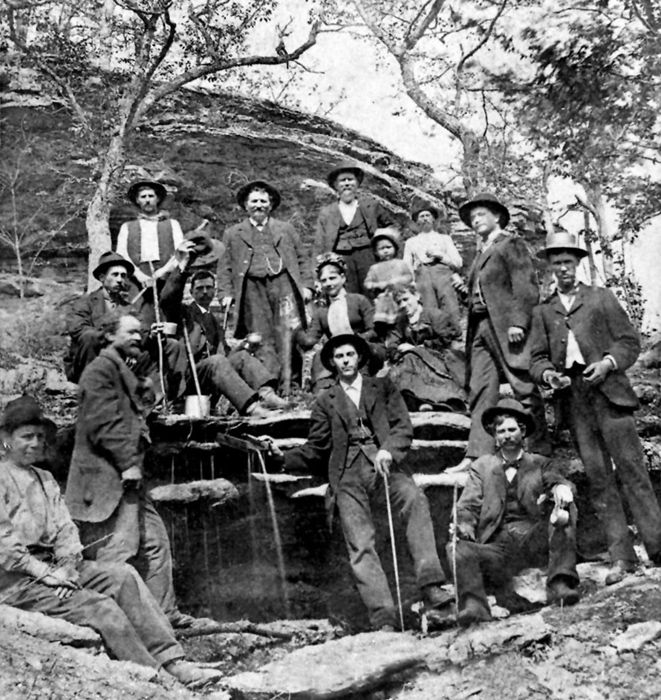
Partaking of the healing waters at Eureka Springs, 1881.
A healing spring is a natural source of mineral water, often heated underground and filled with dissolved elements like sulfur, magnesium, calcium, iron, bicarbonate, and sometimes trace lithium. The water’s smell, texture, and taste usually revealed what kinds of minerals people were dealing with. That was part of what made the springs feel mysterious to early travelers. No two springs seemed the same, which led people to believe that different waters helped with different conditions or forms of discomfort.
People did not fully understand chemistry back then. But they paid attention to patterns. Which waters seemed to help aching joints? Which springs attracted people with skin problems? Which baths left people relaxed enough to finally sleep properly?
Not all of those early beliefs were wrong, especially when viewed through the lens of modern understanding. Warm water improves circulation and relaxes muscles. Buoyancy reduces pressure on joints. Slow soaking encourages the body to calm down in ways modern life rarely allows.
Research published on ScienceDirect shows that hot spring hydrotherapy continues to be studied across a surprisingly wide range of conditions, including rheumatic disorders, respiratory illnesses, skin conditions, and chronic pain management. That does not mean every historical claim was accurate, but it helps explain why these places held such lasting medical and cultural appeal.
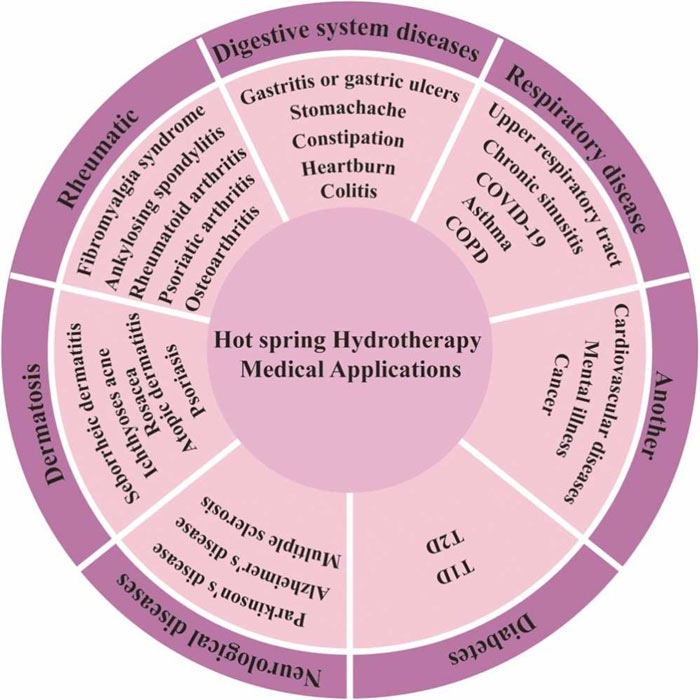
Image courtesy of ScienceDirect.
And honestly, part of the appeal was probably simpler than people wanted to admit. Rest helps.
Removing stress helps. Being somewhere quiet helps. Spending days walking slowly, eating consistently, sleeping more, and sitting in warm water for an hour at a time would probably make many people feel better today, too.
Heat therapy continues to appear in certain recovery clinics, physical therapy programs, and TRT online wellness providers because many of its physiological effects remain useful, even after the mythology surrounding healing waters faded.
Historical Significance of Healing Springs in America
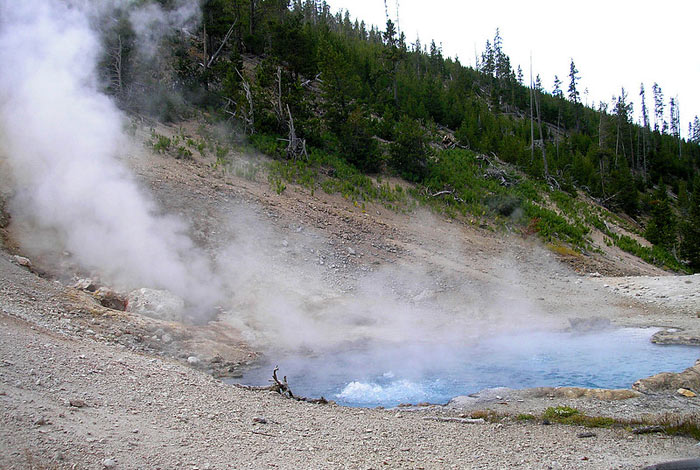
The thermal features in the northern part of Yellowstone National Park are often surrounded by rocky terrain. Photo by Kathy Alexander.
Long before resorts appeared, Native American tribes already understood the importance of these places. Certain springs were regarded as sacred spaces associated with healing, ceremony, and spiritual practice. Knowledge about the waters was passed through generations long before settlers built bathhouses or hotels nearby.
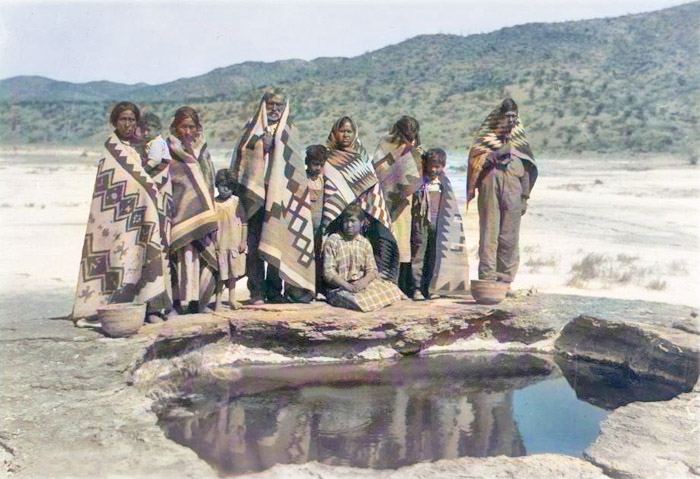
Indians at healing springs in Texas.
Much of later American spa culture began there, whether early developers acknowledged it or not. Many of the springs that later became famous were originally introduced to settlers by local Indigenous communities who had known the waters and their significance for generations.
Ryan Beattie, Director of Business Development at UK SARMs, works in a sector centered on physical recovery, rehabilitation support, and performance-focused wellness practices.
“Long before European settlers arrived, our ancestors understood these waters as sacred gifts,” he says. “We didn’t just see physical healing; we recognized the springs as places where the spirit world touched our own. This holistic understanding of wellness influenced how all Americans would come to view these natural wonders.”
By the late 1700s, “taking the waters” had become common among colonial people with enough time and money to travel. Seasonal trips to healing springs became common, much as later Americans would travel regularly to coastal resorts or mountain destinations. Physicians recommended them. Newspapers printed glowing testimonials. Wealthier families planned long stays around them.
Then railroads changed everything.
Once travel became easier, the springs stopped being isolated destinations for the determined few and became major social centers. Entire towns grew around them. Hotels expanded. Bathhouses multiplied. Over time, some healing springs grew into grand resorts where visitors came as much for relaxation and social prestige as they did for treatment.
The Rise of Healing Springs as Social and Health Retreats
Healing spring resorts followed routines that probably feel strangely familiar today. Guests woke early for mineral water drinks and scheduled baths. They walked after meals. They rested between treatments. Doctors supervised certain regimens while orchestras played in common areas at night.
It was structured wellness before wellness became branding. And people bought into it because the experience itself felt different from normal life. Slower. Cleaner. More deliberate.
That mattered.
The social side also became inseparable from the medical side. People formed friendships there. Political conversations happened there. Wealthy families networked there. Musicians performed, and courtships started there. For many visitors, the springs became part treatment center and part seasonal society gathering.
Notable Healing Springs Across Early America
Some spring towns became much bigger than the water itself. What began as natural healing sites slowly evolved into something much larger. Many springs became known as health retreats, social centers, and major travel destinations all at once. A few attracted politicians, celebrities, and wealthy visitors. Others became associated with therapy, recovery, and slower forms of restoration.
Here are some of the springs that became part of that larger story:
Hot Springs, Arkansas
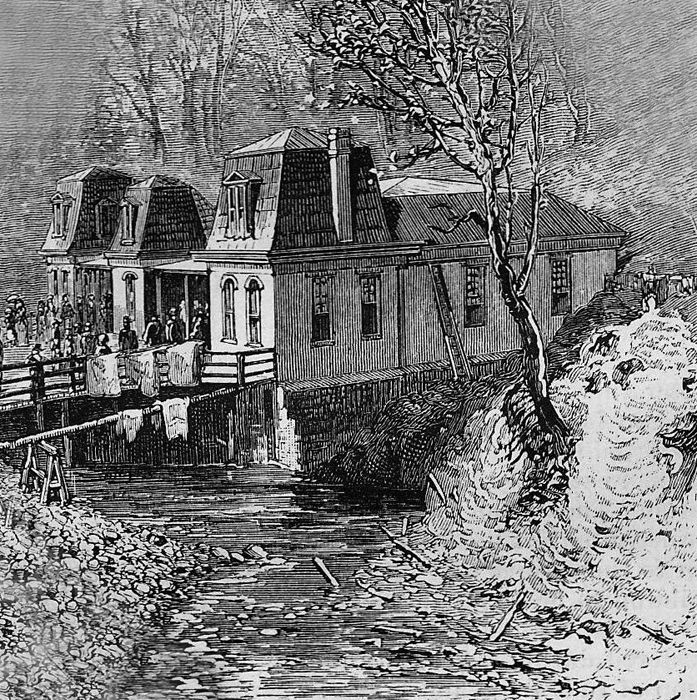
Early bathhouse in Hot Springs, Arkansas by Harper’s Weekly, 1878
Congress officially reserved the land around Hot Springs in 1832, making it one of the country’s earliest federally protected health and recreation areas. The naturally heated mineral water, large bathhouses, and steady flow of visitors helped transform the town into one of America’s most recognizable wellness destinations. Much of that history is still preserved in Hot Springs National Park.
Saratoga Springs, New York
Saratoga Springs blended health culture with upper-class leisure. The mineral springs first attracted visitors, but the hotels, horse racing, entertainment, and social scene helped the town grow into one of the country’s most famous resort destinations during the 19th century.
Warm Springs, Georgia
Warm Springs became nationally known after Franklin D. Roosevelt visited seeking relief from polio symptoms.
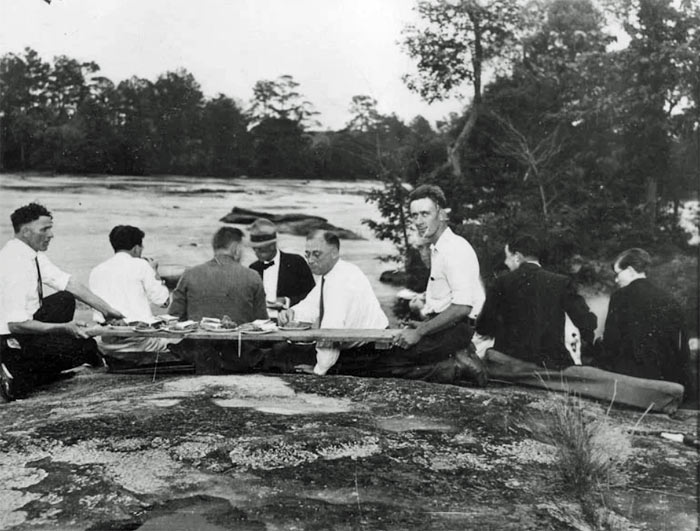
FDR near Warm Springs, Georgia. Photo Courtesy of Franklin D. Roosevelt Presidential Library and Museum
His connection to the area eventually helped shape modern rehabilitation practices and physical therapy programs. Roosevelt’s Little White House State Historic Site still preserves much of that history today.
Berkeley Springs, West Virginia
Berkeley Springs has one of the oldest spring traditions in the country. George Washington visited repeatedly during the 18th century and recommended the waters to others. Public baths and mineral taps still operate there today, giving the town a connection to its earlier identity that many resort destinations have lost over time.
The Greenbrier, West Virginia
White Sulphur Springs eventually evolved into The Greenbrier, one of America’s most famous luxury resorts. Presidents, military leaders, celebrities, and wealthy travelers visited for both health and status. Even as the resort expanded over generations, the mineral springs remained central to its identity.
Jefferson Pools, Virginia
The Jefferson Pools at The Omni Homestead in Virginia preserve one of the country’s oldest bathing traditions. Thomas Jefferson visited the springs in 1818, and the historic springhouse structures still reflect the earlier style of American spa culture instead of replacing it entirely with modern facilities.
Cultural Impact and Myths Surrounding Healing Springs
Healing Springs collected stories the way old towns collect folklore. Someone’s pain improved. Someone’s skin cleared up. Someone regained strength after weeks of illness and returned home, talking about the waters that helped them recover. Those stories spread easily because people passed along anything that sounded hopeful or restorative. And honestly, many visitors probably did experience real relief after spending extended time resting, soaking, and slowing down near the springs. That reinforced the mythology around them.
Resorts leaned into it, too. Springs were named after virtues, famous guests, or supposed medical benefits. Some waters promised energy. Others promised longevity. A few practically implied rebirths. The deeper idea behind it all remained remarkably consistent: water heals. Or at least helps enough to keep hope alive.
The popularity of healing springs fits neatly alongside older European beliefs about magical waters capable of restoring health or extending youth. Early American landscapes, especially in the Southeast, eventually became tied to those same kinds of legends.
Over time, Spanish explorer Juan Ponce de León became one of the figures most associated with the “fountain of youth” story, even though historians generally agree that the connection grew far more dramatic long after his death.
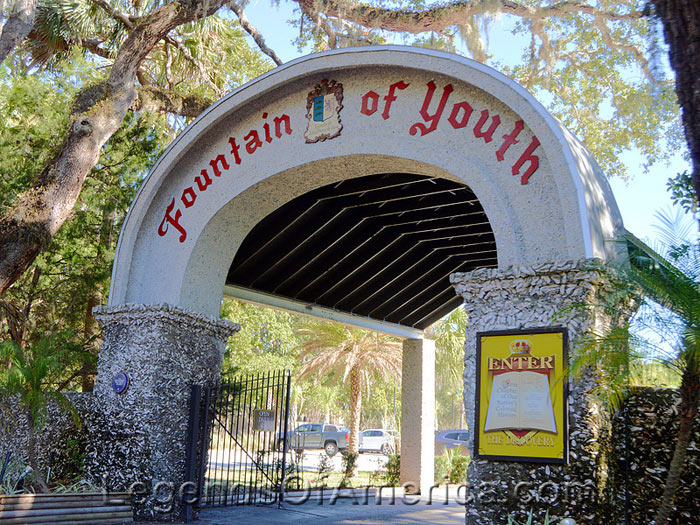
Fountain of Youth entrance in St. Augustine, Florida. Photo by Kathy Alexander.
Historians now point out that many of those stories became exaggerated long after the fact. But the popularity of the myths says something important about people.
Every generation wants places that feel restorative. Even now. That sustained demand helps explain why destinations built around soaking, rest, thermal water, and slower routines continue drawing visitors.
The Decline and Modern Revival of Healing Springs
By the middle of the 20th century, healing springs had begun to lose their cultural dominance. Modern medicine changed expectations. Antibiotics changed healthcare. Cars and highways changed tourism. New vacation destinations competed for attention. Some resorts adapted. Others slowly emptied.
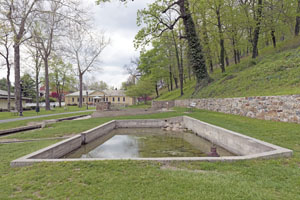
Mineral-water pool at the Berkeley Springs Resort in Berkeley Springs, West Virginia. Photo by Carol Highsmith.
Bathhouses closed across the country. A few sat abandoned for decades. A few resorts even faced lawsuits and accusations that today would probably fall under discussions of medical negligence because expectations around treatment claims and patient safety were becoming harder to ignore.
Then the cycle shifted again. People started looking for slower experiences. Less noise. Less screen time. More connection to nature and physical routine, similar to the motivations that drive interest in the best countries to retire today. Wellness culture returned, but in a different form. Less focused on miracle cures. More focused on restoration and mental reset. That brought new attention back to the springs.
Historic bathhouses reopened. Parks restored old buildings and trails. Travelers became interested in soaking rituals, mineral baths, and analog experiences again. Not because people suddenly believed sulfur water could solve every illness. But because stepping away from constant stimulation still feels valuable.
As CEO of Hummingbird International, Zaheer Dodhia has a firsthand view of how deeply technology shapes modern daily life, which he believes partly explains the renewed interest in places centered on rest, quiet, and physical disconnection.
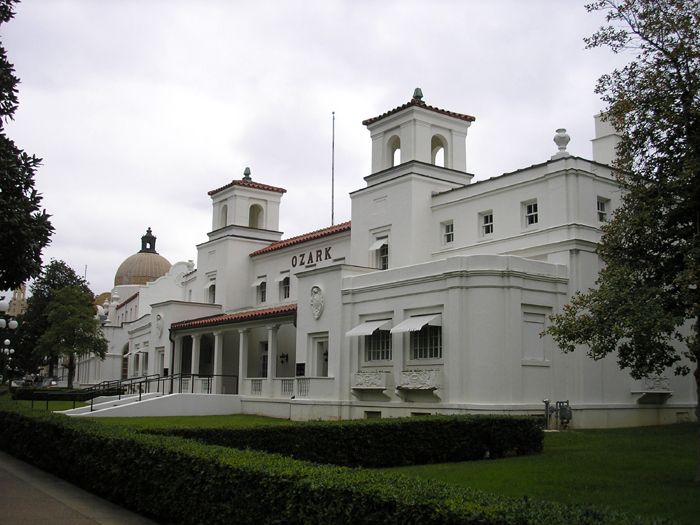
Ozark Bathhouse, Hot Springs, Arkansas, by Kathy Alexander.
“Today’s visitors seek the same authentic experiences that drew people centuries ago,” he says. “They want to disconnect from technology and reconnect with nature’s healing power. We’re seeing a return to the original appeal of these springs; not as miracle cures, but as places of genuine restoration and reflection.”
That shift explains why places like Hot Springs, Saratoga, and Warm Springs continue drawing visitors today. The appeal never fully disappeared. It just changed shape.
Legacy of Healing Springs in American Culture
Healing springs changed the way Americans thought about health long before modern wellness industries existed. They linked recovery to the environment. To pace. To routine. To the community. They made people see rest as intentional rather than accidental. That influence still lingers.
You can feel it in preserved bathhouses, old spring pavilions, walking trails, and the small rituals visitors still follow today. Filling cups from mineral taps. Sitting quietly in warm water. Walking slowly afterward.
Some traditions survive because they work in medical terms. Others survive because people keep needing the same thing, generation after generation. A place to slow down long enough to feel human again.
If you want more historic travel stories and destination ideas from across the United States, Legends of America is worth exploring. It’s especially useful for people looking to start a photography side hustle while traveling through forgotten towns, historic sites, and quieter American landscapes.
©Jesse Galanis, for Legends of America, submitted June 2026.

Jesse Galanis
About the Author: Jesse Galanis is a professional writer whose aim is to make complex concepts easy to understand. He strives to provide quality content that assists people in everyday life.
More from Jesse Galanis:
Old West Health Hacks: Surviving With Limited Medical Care
America’s First Electric Cities: How Urban Lighting Changed Nightlife and Culture
Discover Your Roots: Step-by-Step Guide to American Genealogy Research
Hidden Figures: Unsung Women Who Shaped America’s Frontier
Hidden Figures of American History: Untold Stories from Across the States
Preserving History in a Changing America: Modern Challenges
Best Fall Getaways With Historical Roots: Leaves, Legends, and Small Town America
Also See:
Hot Springs, Arkansas – Home of Healing Waters