
by Jesse Galanis.
Fall has a way of narrowing your focus. The air cools, the light lowers, and suddenly old buildings don’t feel decorative—they feel inhabited. Stories land differently in October. You notice the grain in a courthouse door. The names carved into stone.
Fall getaways with historical roots work when the history is the point, and the foliage is the setting. The leaves slow you down. The past fills in the silence.
This isn’t about chasing color alone. It’s about choosing towns where history still lives in the street grid and the cemetery layout. Witches and battlefields. A headless horseman. A Spanish fort that has outlasted empires.
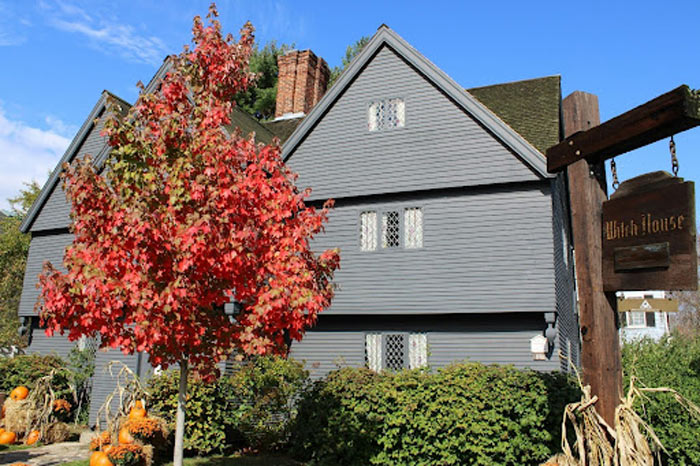
Witch House in Salem, MA. Image Source Unsplash.
The Appeal of Small Town America in the Fall
Small towns feel sharper in October. You hear more. Church bells carry farther in cool air. A cider stand on Main Street draws a line that didn’t exist in August. People linger rather than rush back indoors.
They’re cozy, but they’re also insightful. Many of these communities serve as living museums, where the past is tucked into storefronts, cemeteries, courthouses, and kitchens. You can trace the country’s beginnings on a single afternoon walk.
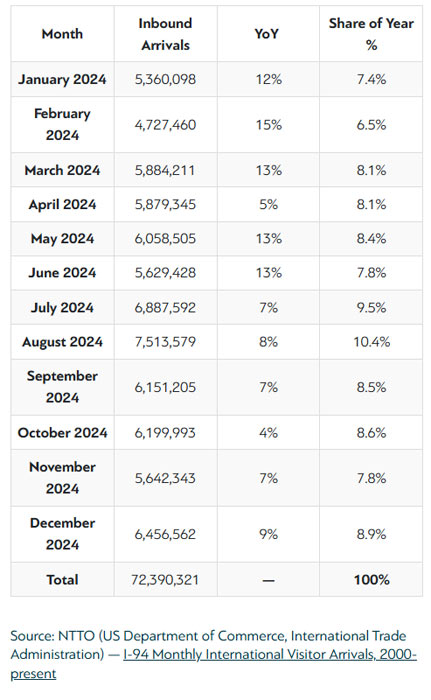
The broader travel data supports what you feel on the ground. According to the U.S. Department of Commerce’s National Travel and Tourism Office, international arrivals consistently rise through summer and remain elevated into early fall, with August accounting for over 10% of annual inbound travel and September and October holding strong shares as well. The season isn’t quiet. It’s deliberate. People move when the weather softens.
Ryan Walton, program ambassador of The Anonymous Project, has seen this shift firsthand through his work documenting and preserving everyday moments in American life. In his view, fall offers a rare window when communities feel both reflective and open.
“Small towns transform into living storybooks during fall,” Walton says. “The cooler weather brings locals outdoors, harvest festivals showcase traditional crafts, and the changing leaves create a natural backdrop that makes every historic building and monument feel more intimate and accessible.”
He’s right about intimacy. Buildings feel closer in October.
Historic Towns with Fall Foliage and Fascinating Legends
These towns offer seasonal beauty, and stories tied to events and folklore that still shape how they’re experienced today. Visiting in the fall brings the season’s visual richness and a deeper sense of history that makes each place memorable.
Salem, Massachusetts
Salem in October is loud. Not chaotic—but charged. The 1692 witch trials turned this place into a permanent reference point in American history. If you take the time to understand how the Salem Witch Trials Court actually operated, the events feel far less abstract.
The Haunted Happenings calendar keeps the city moving all month. Some events lean theatrical. Some stay rooted in documented history. You can choose your depth.

If you only do one thing, make it the memorial and a thoughtful museum stop. The Salem Witch Museum helps contextualize the 1692 hysteria in a direct, structured way. After that, wander. The cobblestone streets and maple-lined corners do the rest.
Gettysburg, Pennsylvania
Gettysburg is different. Quieter. Heavier.
Hire a licensed battlefield guide when you visit. It changes everything. Standing on Little Round Top while someone points out troop movements makes the ground feel less abstract. The National Park Service museum lays out the campaign clearly, and the ranger-led programs are worth planning around.

Battle of Gettysburg, Pennsylvania.
Fall matters here. The bronze light across the fields softens nothing, but it sharpens your focus. The hush in late October feels appropriate.
Yes, you’ll hear ghost stories. They’re part of the town’s folklore. But the real weight is in the documented record and the preserved landscape.
Christopher Skoropada, CEO of Appsvio, often talks about how meaningful experiences tend to anchor memories more deeply than abstract information. Being physically present, he notes, changes how people absorb and retain what they encounter.
Skoropada says, “When you walk a battlefield like Gettysburg, the story stops being distant. The terrain, the silence, and even the weather become part of what you remember. That sensory layer makes history feel less like a chapter and more like something lived.”
Sleepy Hollow, New York
Sleepy Hollow is theatrical in the best way. Washington Irving’s The Legend of Sleepy Hollow built a myth that the town still leans into. Walk through the Old Dutch Church burial ground just before dusk. The wind picked up at the wrong moment. Everyone noticed.
The village organizes its fall programming through Visit Sleepy Hollow. The Great Jack O’Lantern Blaze in nearby Croton-on-Hudson is visually overwhelming in a good way. Thousands of carved pumpkins, arranged with intention. It’s a spectacle, but it works.
The Headless Horseman feels playful until you realize the story reflects real anxieties from post-revolutionary America: war, identity, and instability. That tension still hums under the surface.
St. Augustine, Florida
St. Augustine trades foliage for stone.
Castillo de San Marcos is the anchor. The coquina walls are pitted and pale, absorbing light in a way that photographs don’t fully capture.
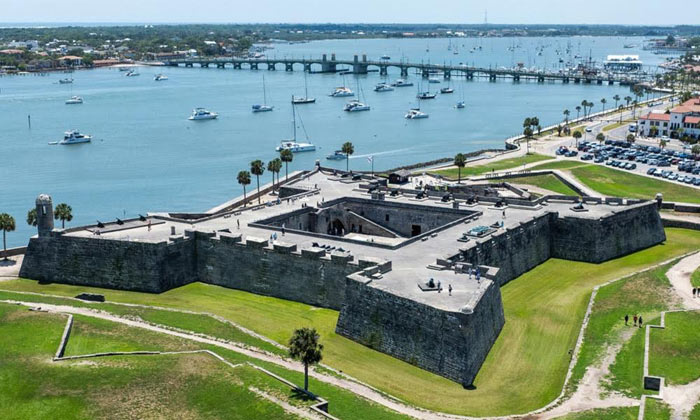
The fall advantage isn’t color—it’s temperature. October and November are mild enough to wander without retreating to air conditioning every hour. After sunset, the Dark of the Moon ghost tour adds another layer to the city’s long narrative.
You don’t rush here. You move slowly. That’s the point.
Exploring Historical Landmarks and Learning Local Legends
Start with a guide when possible. It saves time and deepens everything that follows. In Gettysburg, walking Little Round Top without context feels incomplete. With a guide, every slope and fence line means something.
After that, go smaller. Historic homes. Local museums. Archives with limited hours. The details matter more than the overview plaques.
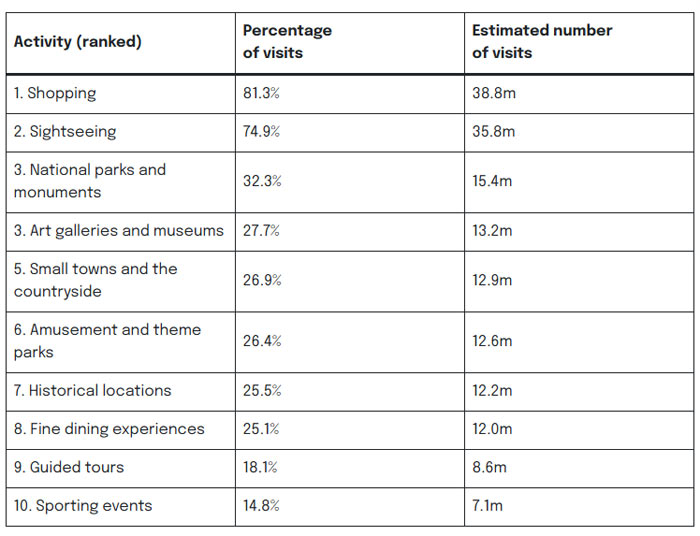
Travel data shows this instinct isn’t niche. According to recent International Trade Administration figures, more than a quarter of international visitors spend time in small towns and the countryside (26.9%), and 25.5% prioritize historical locations. The appetite for these places is steady. People aren’t only looking for landmarks—they’re looking for context.
In Salem, the Witch Trials Memorial, paired with the Salem Witch Museum, offers both the human cost and the historical context. In Sleepy Hollow, the Old Dutch Church and storytelling events carry Irving’s legacy forward in a way that feels lived-in. In St. Augustine, the fort explains empire and trade better than any textbook summary.
Bryan Henry, President of PeterMD, who has written extensively about how environment and sensory input shape long-term memory, once described it. His perspective often centers on how physical presence deepens understanding in ways abstract information cannot.
“Walking through Gettysburg’s battlefield or standing in Salem’s historic courthouse engages all your senses,” Henry explains. “You feel the weight of history in these places. Local legends and folklore add another dimension—they’re the stories that communities have preserved for generations.”
That sensory layer is real. Cold air. Gravel underfoot. The sound of leaves scraping stone.
How to Plan Your Perfect Fall Getaway
The fall season appears to be a laid-back time for travel based on photographs; however, a lot is happening “behind the curtain.” October weekend bookings are extremely limited, foliage viewing windows vary, and smaller historic towns don’t have an endless number of rooms available. Waiting until the last minute will mean making adjustments to your expectations rather than improving them.
Prior to booking anything, do these practical moves first:
Track peak foliage before booking.
Timing matters more than most people admit. New England often peaks early to mid-October. The Hudson Valley follows close behind. Southern Pennsylvania can stretch into early November. Florida doesn’t offer foliage, but it offers relief from humidity. Check the Smoky Mountains Fall Foliage Map before booking anything.
Book accommodations early.
Fall weekends fill faster than travelers expect, particularly in smaller historic towns with limited room inventory.
Take advice from Matthew Thompson, founder of OwnerWebs, a web development and digital strategy agency serving small hospitality businesses. Through years of working closely with innkeepers and boutique property owners, he has seen firsthand how quickly October availability disappears.
Thompson says, “Book accommodations early, especially for October weekends. Look for properties that embrace their historical character—staying in a restored colonial home or Victorian inn adds authenticity to your experience. Ask locals about lesser-known sites and stories; we love sharing our town’s secrets with curious travelers.”
He’s not exaggerating about booking early.
Eat locally, not globally.
Clam chowder in New England. Hudson Valley cider doughnuts are found in the Hudson Valley. Hearty soups from the area around Gettysburg. Some dishes have Minorcan influences from St. Augustine. Your local food experience will tie you to a location, while an itinerary cannot.
Start at the visitor center or the historical society.
They frequently give you information on short lectures, small exhibits, or walking tours that aren’t going to come up in your internet searches.
Give yourself some extra time.
You may miss one of the most memorable experiences of your trip if you don’t turn off the main path onto a side street before checking your phone.
Suggested Itineraries for a Meaningful Fall Experience
A meaningful fall itinerary isn’t about volume. It’s about order. Where you begin shapes how the rest of the day feels. Choose the right starting point, and the story opens naturally.
– In Salem, block out the memorial, Old Burying Point, and a guided walk first. Everything else fits around that. If time allows, the Peabody Essex Museum adds depth beyond witch history.
– In Gettysburg, start at the Visitor Center museum. Then hire a guide through Gettysburg Tour Guides. End at Soldiers’ National Cemetery. That order works.
– In Sleepy Hollow, pair the Old Dutch Church with Philipsburg Manor and an evening storytelling program. If you want the Blaze, buy tickets early. It sells out.
– In St. Augustine, plan around Castillo de San Marcos and let St. George Street fill the gaps. The Lightner Museum and a nighttime tour around it round out the experience.
Benefits of Historical Fall Getaways
Travel is a reset button. But when you pair the fall’s hush with places that hold deep stories, the effect lingers. You learn with your feet. You notice how one crooked gravestone can change how you think about a century. You realize a battlefield isn’t just tactics—it’s families, weather, luck, and landscape.
Take insight from Kashif Ali, Growth Specialist at PsychologySchoolGuide. Through his analysis of education and developmental psychology, he highlights how shared experiences outside the classroom often leave the strongest impact on families.
Ali says, “Historical fall getaways offer something rare—simultaneous renewal and reflection. The natural beauty of autumn, paired with compelling stories from the past, creates space for both adventure and introspection. Families especially benefit from these trips, as they spark conversations across generations.”
These trips teach without trying too hard. They encourage emotional breathing room, and they bring people together over shared discoveries. You point out a carving on a headstone. Your kid asks a question no textbook would have triggered. You both remember the answer years later.
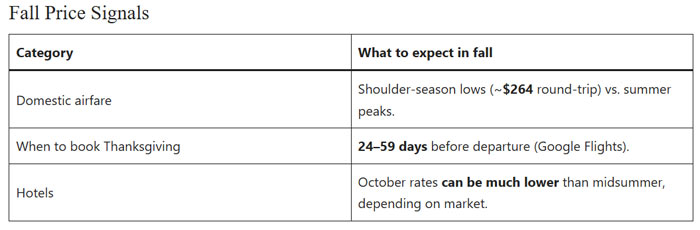
There’s also a practical advantage that rarely gets mentioned first. Fall often brings shoulder-season pricing without sacrificing experience. Recent pricing patterns show domestic airfare averaging around $264 round-trip in the fall compared to summer peaks, and hotel rates in October can drop significantly depending on the market. Even holiday travel has a rhythm—booking Thanksgiving flights roughly 24 to 59 days before departure tends to yield better results. The season feels calmer and, in many cases, costs less.
Where Fall Colors Meet American Stories
If you’re craving a season that feels bigger than a pumpkin latte, try this blend: vivid color and the quiet gravity of history. Walk through towns that have weathered many Octobers and kept their stories. Listen to the legends, then look more closely. Fall lives in the details: the creak of an old church door, the flash of a red maple, and the last warm light on a stone fort.
For more stories and planning ideas, browse Legends of America. It’s one of the better starting points before you pack a jacket and head out.
©Jesse Galanis, for Legends of America, submitted March 2026.

Jesse Galanis
About the Author: Jesse Galanis is a professional writer whose aim is to make complex concepts easy to understand. He strives to provide quality content that assists people in everyday life.
More from Jesse Galanis:
America’s First Electric Cities: How Urban Lighting Changed Nightlife and Culture
Discover Your Roots: Step-by-Step Guide to American Genealogy Research
Hidden Figures: Unsung Women Who Shaped America’s Frontier
Hidden Figures of American History: Untold Stories from Across the States
Preserving History in a Changing America: Modern Challenges
Also See:
Haunted Hiking Trails Across America