
Herbs A B C D E F G H I J K L M N O P Q R S T U V W X Y Z
T
Thistle: A member of the genus Silybum Adans, this flowering plant of the daisy family is native to the Mediterranean regions of Europe, North Africa, and the Middle East. Commonly called Milk Thistle, Marian Thistle, Mediterranean Thistle, Mary Thistle, and Holy Thistle, it has been used for some 2,000 years to treat chronic liver disease and protect the liver against toxins. It has also been used to treat hepatitis, prevent cancer, and treat high cholesterol.
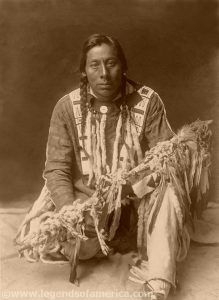
Medicine Pipe-Piegan, Edward S Curtis, 1910.
Tobacco – Officially called Nicotiana, there are over 60 species of tobacco, most of which are indigenous to Australia and America. Natural Tobacco (not chemical-filled tobacco) is a highly sacred medicine plant and is believed to be the ideal bridge between the human and spiritual worlds. The plant has long been important in Native American culture for social, religious, and ceremonial purposes, as well as medicinal remedies. The leaves have long been used to treat pain, colic, kidney problems, dropsy, fever, worms, convulsions, and toothache; as an antidote for poison; and for skin conditions, boils, tuberculosis, vertigo, and insect and snakebites. It does not need to be smoked but is still able to provide spiritual benefits, especially in purification ceremonies.
Tribulus– Also called Puncture Vine and Goat’s Head, this herb has been used in traditional medicine for centuries. Its active compounds, steroidal saponins, are used for infertility, impotence, libido, skin conditions, muscle mass, urinary problems, and as a mouth gargle.
U
Uva Ursi – Officially known as Arctostaphylos Uva Ursi, it is also known as Bearberry and Beargrape because bears like eating the fruit. It has been used medicinally since the 2nd Century, and Native Americans were known to have used it for bladder and urinary tract infections. It has also been effective for kidney problems, menstrual irregularities, cystitis, bloating, prostate inflammation, diarrhea, hemorrhoids, spleen, pancreas, and minor intestine disorders, and removing toxins. Externally, it has been used to treat cuts, cold sores, herpes breakouts, and yeast infections. Pregnant women should not use Uva Ursi.
V
Valerian Root – Scientifically called Valeriana Officinalis, this hardy perennial flowering plant has been used as a medicinal herb since ancient Greece and Rome. Traditionally, it has been used as a sedative for hysteria, stress, intestinal colic, cramps, insomnia, restlessness, anxiety, muscle relaxant, gastrointestinal pain, and irritable bowel syndrome.
W
Western Skunk Cabbage – Officially known as Lysichiton Americanus, it is also called Yellow Skunk Cabbage or Swamp Lantern. It is found in swamps and wet woods in the Pacific Northwest, and it has a “skunky” odor that permeates the area where the plant grows. Native Americans used the plant to treat burns and injuries and cure sores and swelling. It was sometimes used as food in times of famine. The leaves have a somewhat spicy or peppery taste. However, it is not recommended to consume cabbage because it contains calcium oxalate crystals, which cause a harsh prickling sensation on the tongue and throat and can cause intestinal irritation and even death if consumed in large quantities.
Wild Rose – Of the Rosa family, hundreds of species have been used medicinally for thousands of years. Other common names include Sweetbriar, Briar Rose, Brier Hip, Dogberry, Hip Fruit, Witch’s Brier, and many others. The Wild Rose’s ripe fruit is a rich source of Vitamin C and a reliable preventative and cure for the common cold. Tea from the hips is a mild diuretic and stimulates the bladder and kidneys. When the infusion of the petals is used, it is an ancient remedy for sore throats. Cherokee healers recommend a decoction of the roots for diarrhea. Other uses include treatment for swelling, bladder issues, stress, digestion, infection, gout, rheumatism, and fever, as well as promoting the immune, reproductive, circulatory, and nervous systems.
Western Hemlock – See Native Hemlock
Wheat Grass – Technically called Triticum Aestivum, wheat grass results from centuries of cultivating perennial wild grasses in temperate and cool regions. Wheatgrass has been reported to improve energy levels, strengthen the immune system, and slow the development of various types of cancer. It has also been used to treat bronchitis, the common cold, cough, infection, anemia, and fever. Folk medicine has used it to treat cystitis, gout, chronic skin disorders, and constipation. It aids digestion and has helped with colitis and other bowel conditions.
White Oak – See Oak
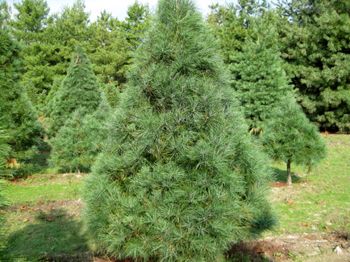
White Pine.
White Pine – Officially known as Pinus strobus and commonly as Deal Pine and Soft Pine, it is native to North America. It grows from Newfoundland to the mountains of Georgia, central Iowa, and West to northern Illinois. The inner bark, young shoots, twigs, pitch, and leaves have long been used by Native Americans in medicinal remedies to treat colds, cough, flu, pneumonia, fever, heartburn, headache, arthritis, neuritis, bronchitis, croup, laryngitis, and kidney problems. Some Native American tribes used the inner bark or the sap as a poultice for wounds and sores. Pitch was used to “draw out” boils, splinters, and abscesses, as well as for rheumatism, broken bones, cuts, bruises, and inflammation. People sometimes spread a hot resin on a hot cloth and applied it to treat pneumonia, sciatic pain, and general muscular soreness.
White Willow – Officially known as Salix Alba, a species of willow native to Europe and western and central Asia.
Willow bark dates back thousands of years to Hippocrates (400 BC), when patients were advised to chew on the bark to reduce fever and inflammation. Willow bark has long been used to treat pain, particularly low back pain, headache, and inflammatory conditions such as bursitis and tendinitis. Studies have identified several willow bark components with antioxidant, fever-reducing, antiseptic, and immune-boosting properties. Some Native American Indians burned willow stems and used the ashes to treat sore eyes.
Wild Black Cherry – Scientifically known as Prunus Serotina, it is also commonly called Black Cherry, Rum Cherry, Mountain Black Cherry, Black Choke, Choke Cherry, and others. It is native to eastern North America from eastern Canada through southern Quebec and Ontario, South through the eastern United States to Texas and central Florida, with small populations in Arizona and New Mexico and the mountains of Mexico and Guatemala. The dried inner bark was traditionally used in tea or syrup for cough, “blood tonic,” fevers, colds, flu, laryngitis, whooping cough, bronchitis, sore throats, asthma, high blood pressure, colic, edema, arthritis, diarrhea, lung ailments, eye inflammation, swollen lymph glands, tuberculosis, pneumonia, inflammatory fever diseases, and dyspepsia. It was also helpful for poor circulation, lack of appetite, and as a mild sedative. The Mohegan tribe allowed ripe wild black cherry to ferment naturally in a jar for about a year, then drank the juice to cure dysentery, and the Meskwaki tribe were known to make a sedative tea from the root bark. Note that the leaves and seeds are poisonous.
Wild Cherry – See Chokecherry
Wild Carrot – Technically known as Daucus Carota, it has several other common names, including Bird’s Nest, Bishop’s Lace, and Queen Anne’s Lace. A flowering plant native to temperate regions of Europe and Southwest Asia, it is naturalized in northeast North America and Australia. Like the cultivated carrot, the wild carrot root is edible while young but quickly becomes too woody to consume. A teaspoon of crushed seeds has long been used as a form of birth control; its use for this purpose was first described by Hippocrates over 2,000 years ago. Traditional use includes treating digestive disorders, kidney and bladder diseases, dropsy, flatulence, and menstrual problems. Ancient folklore said that to cure epileptic seizures, you should eat the dark-colored middle flower. The flower was also used in ancient rituals and spells for women to increase fertility and for men to increase potency and sexual desire. The Mohegan tribe was known to have steeped the blossoms in warm water to make tea for diabetes. The root can induce uterine contractions, and so should not be used by pregnant women.
Wild Garlic – officially Allium sativum, has been used throughout its history for culinary and medicinal purposes. Leaves, flowers, and bulbs have been used to treat diarrhea, colic, indigestion, asthma, bronchitis, emphysema, and loss of appetite. The juice aids weight loss and is applied externally to rheumatic and arthritic joints. Garlic is also claimed to help prevent heart disease and cancer and lower cholesterol and high blood pressure.

At Legends’ General Store
Wild Ginger – Officially known as Asarum Canadense, it is also called Canada Wild Ginger and Canadian Snakeroot; it is native to forests in eastern North America, from the Great Plains East to the Atlantic Coast and southeastern Canada South to the southeastern United States. Native Americans used the roots as a seasoning and a medicinal herb to treat dysentery, digestive problems, swollen breasts, cough and colds, typhus, scarlet fever, nerves, sore throat, cramps, earache, headache, convulsions, asthma, tuberculosis, urinary disorders, and venereal disease. They also used it as a stimulant and appetite enhancer.
Wild Lettuce – Formally known as Lactuca Virosa, it is also called Green Endive, Opium Lettuce, and Acrid Lettuce. Indigenous to North America, it was used for sedative purposes, especially in nervous complaints. People have known the health benefits of wild lettuce tea for centuries, and ancient Egyptian writings and artwork mention some of this herb’s therapeutic actions. It has been used for treating dropsy, colic, insomnia, cough, anxiety, and stress.
Wild Yam – Also known as China Root, Colic Root, Devil’s Bones, Mexican Wild Yam, Rheumatism Root, and Yuma, it is officially known as Dioscorea Villosa. Over 150 wild yam species exist, many of which develop edible tubers like potatoes. It has long been used to treat menstrual cramps, ease childbirth, poor libido, muscle spasms, colic, menopausal symptoms, eczema, rheumatic conditions, and gallbladder problems.
Wild Onion– Over 600 onion (Allium) species are distributed across Europe, North America, North Africa, and Asia. The onion family also includes shallots, leeks, chives, and garlic. The plants can be used as ornamentals, vegetables, spices, or medicine. They have been used to treat colds, coughs, asthma, respiratory problems, bronchitis, and to repel insects.
Willow – The Salix family includes about 400 species of trees and shrubs. Ancient texts from Egypt and Greece mention willow leaves and bark for aches and fever. Native Americans across the American continent relied on it as a staple of their medical treatments. This is because willows contain Salicin, a substance that chemically resembles aspirin. It has also been used to treat pain, headache, toothache, mouth sores, stomach problems, and diarrhea. The Pomo tribe boiled the inner root bark to use in tea to induce sweating in cases of chills and fever. In the South, the Natchez prepared fever remedies from red willow bark, while the Alabama and Creek Indians took willow root baths for the same purpose.
Witch Hazel – A proven astringent produced from the leaves and bark of the North American Witch-hazel shrub, officially known as Hamamelis Virginiana. It grows naturally from Nova Scotia, West to Ontario, Canada, and South to Florida and Texas in the United States. American Indians widely used it for medicinal purposes. The Witch Hazel extract was made by boiling the shrub’s stems to treat sore muscles, cuts, insect bites, skin irritations, sores, bruises, swelling, and to stop bleeding. The Menominee of Wisconsin boiled the leaves and rubbed the liquid on the legs of tribesmen participating in sporting games. A decoction of the boiled twigs was used to cure aching backs, while steam derived by placing the twigs in water with hot rocks was a favorite Potawatomi treatment for muscle aches. Early Puritan settlers in New England adopted this remedy from the natives, and its use became widely established in the United States. It has also helped treat acne, psoriasis, eczema, ingrown nails, cracked or blistered skin, poison ivy, varicose veins, hemorrhoids, and sunburn.
Wormwood – Officially called Artemisia Absinthium, also known as Absinthe and Green Ginger. Native to temperate regions of Eurasia and northern Africa, the leaves and flowering tops were gathered and dried for medicinal tonics for gastric pain, stomach ache, indigestion, labor pain, heartburn, and loss of appetite. The Yokia Indians were known to have used tea from the boiled leaves of a local species of wormwood to cure bronchitis.
Y
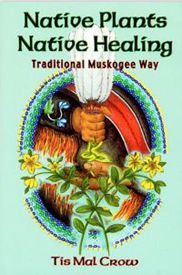
Native Plants – Native Healing. From our Book Shelf at Legends’ General Store
Yarrow – Technically known as Achillea Millefolium, it is native to the Northern Hemisphere and commonly called Nosebleed Plant, Old Man’s Pepper, Devil’s Nettle, Thousand-leaf, and others. In Spanish-speaking New Mexico and southern Colorado, it is called Plumajillo, or “little feather,” for the shape of the leaves. In antiquity, yarrow was known as Herbal Militaris for its use in staunching blood flow from wounds. Yarrow has been traditionally used as a medicine for its astringent effects. Decoctions have been used to treat inflammation, hemorrhoids, headaches, colds, flu, stomach aches, digestion, and the digestive and urinary systems. In the 19th Century, Yarrow was said to have more indications than any other herb. The flowers were often steamed and inhaled to treat hay fever and asthma in teas for respiratory problems, as a wash for eczema and other skin conditions, and in chest rubs for colds, flu, and inflamed joints. The leaves encourage clotting, so it has long been used for nosebleeds and open wounds or cuts.
Yellow Dock – Officially known as Rumex Crispus, this common weed of the Buckwheat family was initially introduced from Europe and is now naturalized throughout North America. Also known as Curly Dock, Sour Dock, and Narrow Dock, it was quickly adopted by Native Americans as traditional medicine and food. Both the leaves and roots were used by different tribes throughout North America to treat constipation and purify the blood, ringworm, and stomach aches. Externally, they used it for joint pain, itching, minor sores, diaper rash, and other skin irritations. The Navajo used the root as a tonic, considering it a “life medicine”; Cherokee herbalists prescribed a warm wash made from the decoction of crushed roots as a disinfectant.
Yellow Root—officially called Xanthorhiza simplicissima —is a woody-stemmed plant native to the eastern United States, from Maine South to northern Florida and West to Ohio and eastern Texas. While Yellow Root is toxic in large doses, Native Americans made a tea to treat mouth problems, stomach ulcers, and stomach aches, and used it externally on sores, skin conditions, and swelling. It has also been found to help lower blood pressure and improve liver health.
Yellow Spined Thistle – Officially called Cirsium Ochrocentrum, is native to the central United States and has long been used by Native Americans in medicinal remedies. It was used by the Zuni tribe for several purposes, including as a contraceptive and to treat syphilis and diabetes. The Kiowa also used the plant to wash for burns, sores, and other skin conditions.
Yerba Mate – Also spelled Erva Mate, this species of Holly is officially called Ilex Paraguariensis, and it is a species of Holly native to subtropical South America. It has a long history as a medicinal herb for everything from increasing immunity and purifying the blood to minimizing stress and fighting insomnia. It has also been used as a tonic, diuretic, and stimulant to reduce fatigue, curb appetite, treat gastric and digestive problems, lower blood pressure, detoxify the body, treat nerve pain, depression, insomnia, fever, and obesity, and stimulate the nervous and muscular systems.
Yerba Santa – Yerba Santa is Spanish for “holy weed” or “holy herb.” This potent medicinal herb is native to California, and Native Americans have long used its leaves to make medicine. Teas were made to treat respiratory conditions, including cough, cold, tuberculosis, asthma, loose phlegm, and long-term inflammation of the airways in the lungs. It was also used for stomachaches, fever, dry mouth, and muscle spasms. Warm poultices were used to treat bruises, sprains, sore muscles, bone fractures, wounds, insect bites, and poison oak, and to relieve joint pain. It was also smoked to relieve asthma. The herb has a good flavor and is used in foods and beverages, and the leaves were chewed for pleasure.
©Kathy Alexander/Legends of America, updated October 2026.
Also See:
Patent Medicine & the Popular Medicine Show
See Sources.
Disclaimer: These statements have not been evaluated by the Food and Drug Administration, and we make no medical claims nor intend to diagnose, treat, or heal medical conditions. Women who are pregnant or nursing or persons with known medical conditions should consult their physician before taking any herbal products.