
Herbs A B C D E F G H I J K L M N O P Q R S T U V W X Y Z
B

Bee Pollen.
Bee Pollen – Used for centuries by cultures worldwide, it is one of the oldest health foods used as a dietary supplement and physical rejuvenator. Containing more than 96 different nutrients, its dust-sized seed is found on the stamen of all flower blossoms and collected by bees as they move from flower to flower. The pollen is usually collected by placing a special device at the entrance of beehives that brushes it from the bees’ hind legs into a collection vessel. Mixed with food or drinks, it is an energy source, can suppress appetite, improve sexual health, treat reproductive system problems (including PMS), aid digestion, strengthen the immune system, enhance memory, and has been known to help with hay fever. Use caution if you have not taken bee pollen before, as people with allergies can have an anaphylactic reaction. Do not use bee pollen if you are allergic to bee stings.
Beeswax – Taken from the honeycomb of bees, Beeswax has been used for centuries for all purposes, from embalming to candles, ointment, cosmetic products, and more. It has also formed the basis for many healing salves. Honey bees were introduced to North America in the early 17th Century, and Native Americans called them “white man’s flies” because their presence indicated a nearby colonist settlement. However, Indigenous peoples in the Americas used wild bees in their products for hundreds of years. They used it, and still use it, to make medical ointments when mixed with herbs and as a burn balm. It is also said to dilate blood vessels, thereby improving blood circulation. Beeswax should only be used externally. Swallowing it can block the intestines.
Blackberry – Officially called Rubus Fruticosus, its root bark and leaves have long been used to heal several medical problems. Tea made from the root is often used to soothe stomach problems, dysentery, and diarrhea, helping reduce swelling and stimulate the entire system. Externally, a decoction of leaves is used as a gargle to treat sore throats, mouth ulcers, gum inflammations, thrush, and as a general mouthwash.
Black Gum – Scientifically known as Nyssa Sylvatica, this tree is native to eastern North America, from New England and southern Ontario South to central Florida and eastern Texas. It is also commonly known as Black Tupelo, Pepperide, or simply Gum or Tupelo. Native Americans have used its fruit, bark, and roots in baths and decoctions to induce vomiting, eliminate worms in children, and treat eye problems. Cherokee healers used a mild tea made from small pieces of bark and twigs to relieve chest pain.
Black Raspberry – Formally known as Rubus Occidentalis, it is also known as wild black raspberry, blackcaps, blackcap raspberry, thimbleberry, and Scotch cap. The shrub’s roots, which are boiled into tea or chewed, are cathartic and effective in treating gonorrhea, cough, and toothache. They have also been used as a wash for sore eyes, ulcers, boils, and sores. The Pawnee, Omaha, and Dakota tribes boiled the root bark to treat dysentery. The highly astringent leaves have been used to treat bowel complaints. A decoction of the roots, stems, and leaves has been used to treat whooping cough.
Black Cohosh – Officially known as Cimicifuga Racemosa, this white-blooming plant from the buttercup family is native to the woodlands throughout Eastern North America. Also called black bugbane, black snakeroot, rattle weed, and fairy candle. Native Americans, including the Winnebago, Dakota, and the Oklahoma Delaware, used the plant’s root in teas to treat various problems, including gynecological issues, sore throats, coughs, headaches, kidney problems, and depression. By contrast, the Cherokee used the roots to make an alcoholic beverage. Externally, they often combined the herb with others, blew it over patients during rituals, and used it in sweat baths. It continues to be used for gynecological problems, including pre-menstrual tension and menopause, arthritis, aches, colds, nervous conditions, respiratory ailments, Tinnitus, and Sciatica.
Black Elderberry – See Elder.

Bloodroot.
Bloodroot – Officially known as Sanguinaria Canadensis, it has also been called Bloodwort, red puccoon root, Indian plant, pauson, and tetterwort. Indigenous to the hardwood forests of eastern North America, the roots of this flowering plant have long been used in Native American medicinal remedies to treat respiratory and digestive problems, diphtheria, sore throat, bronchial problems, and rheumatism, and to relieve pain and as a sedative. Externally, it was used for ringworms and burns and as an insect repellent. Fresh roots were made into washes, poultices, snuffs, dental powders, and salves. Unfortunately, we now know that the plant is toxic as it produces morphine-like benzylisoquinoline alkaloids, primarily the toxin sanguinarine. It has been classified as unsafe by the Food and Drug Administration, as people in the past have died from overconsumption. It can also irritate mucous membranes, resulting in diarrhea, intestinal colic, vomiting, and total collapse. In the past, many tribes also used the root’s red sap as a dye, and Appalachian Indians were known to carry it as a charm to ward off evil spirits.
Blue Cohosh – Formerly called Caulophyllum Thalictroides and also known as squaw root and papoose root, this flowering plant is found in hardwood forests from Manitoba, Canada, to Oklahoma, and East to the Atlantic Ocean. Native Americans have long used the root in teas and tonics to treat rheumatism, dropsy, colic, cramps, hiccups, epilepsy, female reproductive issues, and uterine problems, and to induce labor and ease the pain of childbirth. Many Native American tribes and later European herbalists and midwives used Blue Cohosh in conjunction with other herbs and remedies for abortive and contraceptive purposes.
Blue Spruce – One of the most popular ornamental conifers, the Colorado Blue Spruce is a truly magnificent sight with its silvery blue-green coloring and perfect Christmas tree shape. The Colorado blue spruce was first discovered on Pikes Peak in 1862, and its fame spread quickly. Today, it is one of our most widely planted landscape trees. Not only is it beautiful, but Native Americans have long used it for healing. The Navajo and Keres tribes used this tree as a traditional medicinal plant and ceremonial item, and they gave twigs as gifts to bring good fortune. Infusing the needles in a warm bath is said to relieve rheumatism symptoms. Other parts of the tree have been used to treat colds or stomach ailments. Spruce oil is derived from the bristly, needlelike leaves and twigs of spruce trees, which natives used in ointments and salves with honey and alum to treat skin problems, such as boils, burns, skin inflammation, sores, and wounds. They also chewed spruce balsam as chewing gum and spread it as caulking or glue. Its medicinal uses continue today to treat respiratory conditions, cuts, wounds, swelling, inflammation-related pain, bone pain, and joint pain. The various elements of Blue Spruce have also been used in households as a disinfectant, furniture polish, air freshener, and insecticide.
Boneset – Officially called Eupatorium Perfoliatum, it is part of the aster family and contains up to 60 species. Native to temperate regions of North America, it has also been called ague weed, feverwort, thoroughwort, or snakeroot. Though poisonous, it was used by the Iroquois, Delaware, Cherokee, Mohegan, and Menominee to treat colds and fever. The Alabama used it for stomach aches, and the Cherokee used it as a laxative. High in magnesium, calcium, niacin, and phosphorus, it has also been used to treat dengue fever, arthritis, certain infectious diseases, migraines, intestinal worms, flu, malaria, and diarrhea. Generally used in tea, dried leaves rather than fresh leaves will eliminate the potentially toxic chemicals. Caution is advised, as the toxic compounds can cause liver damage. Side effects include muscular tremors, weakness, and constipation, and overdoses may be deadly.
Boswellia – Also known as frankincense, Boswellia has been used for thousands of years. Native to India, it is a type of tree known for its fragrant resin, which has many pharmacological uses, particularly as an anti-inflammatory. It has been used to treat asthma, fever, rheumatism, gastrointestinal problems, depression, arthritis, inflammatory bronchial infection, jaundice, ringworm, skin diseases, syphilis, and stomach aches. It has also been used as an expectorant and antiseptic to lower cholesterol and reduce body weight. Pregnant, breastfeeding women and children should not use it.
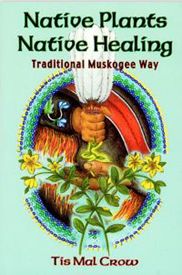
Native Plants – Native Healing. From our Book Shelf at Legends’ General Store.
Broom Snakeweed – Officially known as Gutierrezia Sarothrae, it is native to the western and southwestern United States and is also called snakeweed. Southwestern Indians and Mexicans used it for multiple treatments. The Blackfeet boiled the roots and inhaled the steam for respiratory ailments; the Comanche used the leaves in a decoction for whooping cough. The Sioux used it for colds, coughs, and vertigo. Others used the fresh flowers or roots for diarrhea, a bath for fever, and a poultice for bruises, sores, and rheumatism. The Navajo probably used it most widely for headaches, on wounds, and for insect stings and snake bites; they also used a decoction of the root for painful urination, stomachache, colds, fever, and to promote the expulsion of the placenta after childbirth. It was often used as an ingredient in sweat baths and sweat lodges.
Buck Brush – A common name for some 50-60 species of North American shrubs, it is officially called Ceanothus. The genus is confined to North America, with the center of its distribution in California, with some species in the eastern United States, Southeast Canada, and extending as far South as Guatemala. One species, Ceanothus Velutinus, was known as Red Root by many Native American tribes and was used for cysts, fibroid tumors, inflammation, and mouth and throat problems. It has also been found to treat high blood pressure and lymphatic blockages effectively. Another, called Hummingbird Blossoms by the Cherokee, was used as a diuretic to stimulate kidney function. North American tribes have used Ceanothus Integerrimus to ease childbirth. Ceanothus Sanguineus, commonly known as Buckbrush Chaparral, was used to treat inflamed tonsils, enlarged lymph nodes, non-fibrous cysts, enlarged spleens, menstrual bleeding, nosebleeds, hemorrhoids, and ulcers, and to relieve nervousness. Poultices were used to treat burns, sores, and wounds. The Miwok Indians of California were known to have made baskets from Ceanothus branches, and early pioneers used the plant as a substitute for black tea.
Buckthorn – A genus of shrubs or small trees in the Rhamnaceae family; they are native throughout the temperate and subtropical Northern Hemisphere and also more locally in the subtropical Southern Hemisphere in parts of Africa and South America. Only the buckthorn bark is used for medicinal purposes. Known from the 14th Century, Buckthorn is primarily administered as a laxative or purgative. It has also been used for liver health, obesity, rheumatism, headache, allergies, hepatitis, intestinal worms, and skin diseases such as acne, eczema, and psoriasis.
Buckwheat – Formally called Fagopyrum Esculentum, this plant is not a grain but produces a fruit seed that is an excellent source of fiber, manganese, and magnesium. Though it tastes somewhat bitter, it has long been used as a food and herbal remedy. It has been known to lower blood pressure and strengthen blood vessels and has been used to stop bleeding and treat diarrhea, dysentery, skin lesions, and many circulatory problems.

Mandan Women collecting buffaloberries. Edward S. Curtis, 1908.
Buffaloberry – Officially called Shepherdia, there are three species called Silver Buffaloberry (Shepherdia Argentea,) Canada Buffaloberry or Russet Buffaloberry (Shepherdia Canadensis,) and Round-leaf Buffaloberry Shepherdia Rotundifolia. These small shrubs with bitter-tasting berries are native to northern and western North America. Also called soapberry, bullberry, rabbitberry, chaparral berry, silverleaf, and soopolallie, the berries and other parts of the plant have long been used as food, medicine, and dye. Of the three types, the Russet Buffaloberry had the most uses. Often used for food, it was popular in the production of “Indian ice cream,” a frothy dessert made with hot water, buffaloberries, and sugar. It was also used for other beverages, preserves, porridge, sauces, and dried cakes. Parts of the plant and the berries were used to treat constipation, tuberculosis, swelling, cuts, arthritis, venereal diseases, stomach troubles, fever, broken bones, mosquito bites, sore eyes, acne, boils, gallstones, toothache, headache, and gynecological problems. Buffaloberries are edible but quite sour, and afterward, they leave the mouth a little dry. People commonly eat the berries raw, but only after the first frost, when they have naturally sweetened, and in moderation. Overindulgence can cause diarrhea and may be fatal.
Burdock – Officially called Arctium Lappa, this sunflower family member is also known as Cocklebur and Bardana. Although it originated in Eurasia, Native Americans adopted and used it for centuries. People worldwide have long eaten its roots as a vegetable, and it has many medicinal uses to treat gastrointestinal ailments and respiratory problems. Native American uses included crushing the roots and leaves for skin care, including sores and ulcers, and treating rheumatism, as used by the Cherokee, Maliseet, Menominee, Micmac, and Chippewa tribes. The Iroquois were known to use the roots to aid in circulation and to purify the blood. The Potawatomi also used it as a blood purifier and general tonic in teas. Rich in chromium, iron, magnesium, thiamin, phosphorus, potassium, vitamin A, and zinc, the Indians also utilized it as food, drying the roots to add to soups and using the young leaves as greens. Many tribes also utilized burdock for ceremonial uses. Avoid this herb if you are pregnant or nursing.
Disclaimer: These statements have not been evaluated by the Food and Drug Administration, and we make no medical claims nor intend to diagnose, treat, or heal medical conditions. Women who are pregnant or nursing or persons with known medical conditions should consult their physician before taking any herbal products.