
Remedies Home A B C D E F G H I J K L M N O P Q R S T U V W X Y Z
F
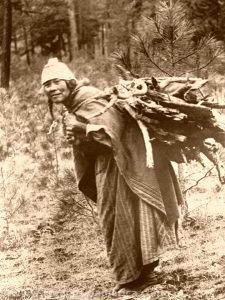
Medicine Woman, No-Ah-Tuh, Harris and Ewing, 1913.
We return thanks to our mother, the earth,
which sustains us.
We return thanks to the rivers and streams,
which supply us with water.
We return thanks to all herbs,
which furnish medicines for the cure of our diseases.
We return thanks to the moon and stars,
which have given to us their light when the sun was gone.
We return thanks to the sun,
that has looked upon the earth with a beneficent eye.
Lastly, we return thanks to the Great Spirit,
in Whom is embodied all goodness,
and Who directs all things for the good of Her children.
— Iroquois
Fatigue:
- American Ginseng – Used in teas and tonics, and sometimes smoked by Native Americans.
- Ashwagandha – The whole plant is used in numerous remedies. Use this plant with caution, as it is toxic.
- Cat’s Claw – Used in teas and tonics for over 2,000 years.
- Eleuthero People with medicated high blood pressure should consult their doctor; it can cause insomnia.
- Ginseng – Numerous species worldwide have been used for thousands of years in medical remedies.
- Green Tea – Made solely with the leaves of Camellia Sinensis, it is known for its many helpful properties.
- Guarana – Containing caffeine, it has many of the same effects as coffee.
- Lavender – Dating back to Roman times, Lavender has been used in teas, balms, food, and medicinal remedies.
- Licorice Root – Used as flavoring in food and for herbal remedies.
- Maca – Used for centuries, Maca is consumed as food and used for medicinal purposes.
- Rhodiola – Best known for improving physical and mental performance.
- Schisandra – A genus of shrubs that has many medicinal uses.
- Yerba Mate – A species of holly with a long history as a medicinal herb.
Fertility:
- Chasteberry – Berries and flowers used in teas. Pregnant or breastfeeding women should not take Chasteberry.
- Wild Carrot – Used as both food and for health conditions.
Fever:
- American Ginseng – Used in teas and tonics, and sometimes smoked by Native Americans.
- American Licorice – Chewed or used in teas for internal issues, and as an external poultice.
- Boswellia – Fragrant resin utilized for various ailments. It should not be used by pregnant or breastfeeding women and children.
- Broom Snakeweed – Roots and leaves used in steam therapies, teas, and poultices.
- Buffaloberry – Used as food and in herbal remedies. Overindulgence can cause severe problems, including death.
- Devil’s Claw – Used in teas and tonics internally and in poultices externally. It should not be used by women who are or may be pregnant.
- Dogwood – Bark, berries, and twigs used in decoctions internally and externally.
- Catnip – Stems and leaves make an aromatic tea which is useful for many conditions.
- Cardinal Flower – Roots, leaf tea, and poultices were used internally and externally.
- Dandelion – Used as food and in internal and external remedies.
- Eucalyptus – Teas and ointments used for various purposes.
- Feverfew – Used for various internal medical problems. It should not be used by women who are pregnant.
- Feverwort – Used internally and externally in herbal medicine.
- Ginger Root – Utilized as both a spice and medicine throughout the world.
- Gymnema Sylvestre – Used as a natural treatment for diabetes for nearly 2,000 years.
- Hibiscus – Various species used in traditional herbal medicines dating back to Roman times.
- Honeysuckle – Used in traditional herbal remedies for thousands of years.
- Horsemint – Leaves and flowering stems are used in teas, tonics, and salves for various medical issues. Pregnant women should not use it.
- Indian Hemp – A type of marijuana, it was used to make clothes, rope, and paper, as well as boiling the roots into teas for medicinal problems.
- Native Hemlock – Used by Native Americans as a dye, for tanning hides, making baskets and wooden items, and for medicinal remedies.
- Osha – Having a wide variety of medicinal properties, Osha was highly valued by Native Americans.
- Pau d’arco – Long used for a wide range of conditions.
- Pennyroyal – Long used to treat medical problems and to eradicate pests. Pregnant women should not use pennyroyal in any form. Overdose of this herb has caused death.
- Persimmon – Long used as food and in traditional medicine.
- Rabbit Tobacco – Many Indians thought it had spiritual or mystic powers
- Sarsaparilla – Used for centuries in a wide variety of medicinal remedies.
- Sassafras – Used extensively for food and medicine by Native Americans long before European settlers arrived.
- Spearmint – Used as teas, poultices, and oils for internal and external remedies.
- Sumac – Viewed by some tribes as a sacred plant, Sumac was used for food and medicine.
- Tobacco – Long important in Native American culture for social, religious, and ceremonial purposes, as well as for medical remedies.
- Wild Rose – Hundreds of species have been used medicinally for thousands of years.
- Wheat Grass – The result of centuries of cultivation, it is used for numerous medical conditions.
- White Pine – The inner bark, young shoots, twigs, pitch, and leaves have long been used by Native Americans in medical remedies.
- Wild Black Cherry – The dried inner bark was traditionally used in tea or syrups for several health problems.
- White Willow – Willow bark has been used for thousands of years.
- Willow – The leaves and bark of the willow tree have been used since ancient times in Egypt and Greece.
- Yerba Mate – A species of holly with a long history as a medicinal herb.
Flatulence:
- Fennel – Seeds, leaves, and roots used in cooking and medicinal remedies.
- Galangal – Similar to other ginger-related herbs, it is primarily used for digestive disorders.
- Ginger Root – Used as both a spice and a medicine worldwide.
- Green Tea – Made solely with the leaves of Camellia Sinensis, it is known for its many helpful properties.
- Horehound – The whole plant is used internally and externally. People with gastritis or peptic ulcer disorders should use it cautiously.
- Horsemint – Leaves and flowering stems used in teas, tonics, and salves for various medical issues. Pregnant women should not use it.
- Lemon Balm – A calming herb that has been used since the Middle Ages.
- Pennyroyal – Long used to treat medical problems and to eradicate pests. Pennyroyal should not be used by pregnant women in any form. Overdose of this herb has caused death.
- Peppermint – In addition to flavoring, it has long been used in traditional medicine for its calming and numbing effects. Do not use or give it to infants or small children.
- Sage – Used for thousands of years in cooking and, like other culinary herbs, long thought to be a digestive aid and appetite stimulant.
- Savory – An aromatic herb used as a spice and in folk medicine.
- Star Anise – The fruit of a small tree with a licorice-like flavor, long used in medical remedies.
- Stevia – An herb long used as a sweetener that also has medicinal properties.
- Sweetflag – Has a long history of medicinal use in many herbal traditions.
- Wild Carrot – Used as both food and for health conditions.
Flu:
- American Ginseng – Used in teas and tonics, and sometimes smoked by Native Americans.
- Boneset – Dried leaves are used in tea. Caution is advised as it is toxic and has side effects.
- Catnip – Stems and leaves make an aromatic tea which is useful for many conditions.
- Chamomile – Commonly used in tea, it is best known for helping with sleep.
- Echinacea – Roots were chewed, dried in tea, or pulverized for external use.
- Elder – Ripe elderberries used as both food and in medicinal remedies.
- Eleuthero – Dried roots have been used for centuries. People with medicated high blood pressure should consult their doctor; it can cause insomnia.
- Feverwort – Used internally and externally in herbal medicine.
- Ginger Root – Utilized as both a spice and medicine throughout the world.
- Goldenrod – Long used for various ailments.
- Goldenseal – Used internally and externally for medicinal issues. It should not be taken by pregnant women.
- Green Tea – Made solely with the leaves of Camellia Sinensis, it is known for its many helpful properties.
- Mint – Dried leaves used in teas and food, found helpful in several remedies.
- Native Hemlock – Used by Native Americans as a dye, for tanning hides, making baskets and wooden items, and for medicinal remedies.
- Osha – Having a wide variety of medicinal properties, Osha was highly valued by Native Americans.
- Pau d’arco – Long used for a wide range of conditions.
- Pleurisy Root – Long been found to be effective for many respiratory disorders.
- Rabbit Tobacco – Many Indians thought it had spiritual or mystic powers.
- Sage – Used for thousands of years in cooking and, like other culinary herbs, it has long been thought to be a digestive aid and appetite stimulant.
- Sassafras – Used extensively for food and medicine by Native Americans long before European settlers arrived.
- Star Anise – The fruit of a small tree with a licorice-like flavor, long used in medicinal remedies.
- White Pine – The inner bark, young shoots, twigs, pitch, and leaves have long been used by Native Americans in medicinal remedies.
- Wild Black Cherry – The dried inner bark was traditionally used in tea or syrups for several health problems.
- Yarrow – Used for thousands of years, especially to stop bleeding.
Fluid Retention:
- Grapefruit – Seeds, pulp, and inner rind used for internal conditions.
- Persimmon – Long used as food and in traditional medicine.
Food Poisoning:
- Licorice Root – Used as flavoring in food and for herbal remedies.
G
Gallbladder Problems:
- Dandelion – Used in both foods and internal and external medical remedies.
- Devil’s Claw – Used in teas and tonics internally and in poultices externally. It should not be used by women who are or may be pregnant.
- Pennyroyal – Long used to treat medical problems and to eradicate pests. Pregnant women should not use pennyroyal in any form. Overdose of this herb has caused death.
- Wild Yam – Traditionally used as food and medicine.
Gallstones:
- Buffaloberry – Used as food and in herbal remedies. Overindulgence can cause severe problems, including death.
- Lecithin – Found in several plants, it benefits various body systems.
Gangrene:
- Chokecherry – Used as a source of food and medicine, it was considered one of the most essential herbs in Native American medicine.
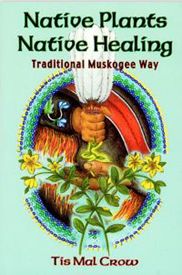
Native Plants – Native Healing. From our Book Shelf at Legends’ General Store
Gastrointestinal Complaints:
- Horehound – Use the whole plant internally and externally. People with gastritis or peptic ulcer disorders should use it cautiously.
- Saltbush – Many species used for various conditions.
- Slippery Elm – Native Americans used the tree in many traditional ways.
- Spearmint – Teas, poultices, and oils used internally and externally for several remedies.
- Star Anise – The fruit of a small tree with a licorice-like flavor long used in medical remedies.
- Valerian Root – Used as a medicinal herb since at least ancient Greece and Rome.
- Wormwood – The leaves and flowering tops were gathered and dried to use in medicinal tonics.
- Yerba Mate – A species of holly with a long history as a medicinal herb.
Gonorrhea:
- Black Raspberry – Roots and leaves are boiled into tea or chewed, and washes are used externally.
- Cattail – Utilized as food, as well as in external and internal medical remedies.
- Dogwood – Bark, berries, and twigs are used in decoctions internally and externally.
- Juniper – Used internally and externally for medicinal purposes. Pregnant women should not use this herb as it has been known to cause miscarriage.
- Sarsaparilla – Used for centuries in a wide variety of medicinal remedies.
Gout:
- Burdock – Roots and leaves utilized internally and externally. Avoid if pregnant or nursing.
- Devil’s Claw – Used in teas and tonics internally and in poultices externally. It should not be used by women who are or may be pregnant.
- Goldenrod – Long used for various ailments.
- Juniper – Used internally and externally for medicinal purposes. Pregnant women should not use this herb as it has been known to cause miscarriage.
- Pennyroyal – Long used to treat medical problems and to eradicate pests. Pregnant women should not use pennyroyal in any form. Overdose of this herb has caused death.
- Senna – A large genus of flowering plants used in many remedies.
- Slippery Elm – Native Americans used this tree in many traditional ways.
- Wheat Grass – The result of centuries of cultivation, it is used for numerous medical conditions.
- Wild Rose – Hundreds of species have been used medicinally for thousands of years.
Gum and Mouth Problems:
- Blackberry -Leaves are made into gargles to soothe mouth and throat ailments.
- Buck Brush – Applies to several North American shrubs used in herbal medicine.
- Galangal – Similar to other ginger-related herbs, it is primarily used for digestive disorders.
- Geranium – Scented geranium is used in teas for various conditions.
- Goldenseal – Used internally and externally for medicinal issues. Pregnant women should not take it.
- Juniper – Used internally and externally for medicinal purposes. Pregnant women should not use this herb as it has been known to cause miscarriage.
- Marshmallow Root – Used for thousands of years as food and medicine.
- Native Hemlock – Native Americans used it as a dye, for tanning hides, making baskets and wooden items, and for medicinal remedies.
- Pennyroyal – Long used to treat medical problems and to eradicate pests. Pregnant women should not use pennyroyal in any form. Overdose of this herb has caused death.
- Persimmon – Long used as food and in traditional medicine.
- Rabbit Tobacco – Many Indians thought it had spiritual or mystic powers.
- Raspberry – Leaves and fruits are used for various medical issues.
- Goldenrod – Long used for various ailments.
- Sumac – Viewed by some tribes as a sacred plant, Sumac was used for food and medicine.
- Tribulus – This herb has been used in traditional medicine for centuries.
- Tribulus – This herb has been used in traditional medicine for centuries.
- Uva Ursi – Used medicinally since the second century. Pregnant women should not use it.
- Willow – The leaves and bark of the willow tree have been used since ancient times in Egypt and Greece.
- Yellow Root – Though toxic in large doses, Native Americans made a tea of it to treat several medical problems.
Gynecological Problems:
- Buffaloberry – Used as food and in herbal remedies. Overindulgence can cause severe problems, including death.
- Chamomile – Commonly used in teas, it is best known for helping with sleep.
Disclaimer: These statements have not been evaluated by the Food and Drug Administration, and we make no medical claims, nor intend to diagnose, treat, or heal medical conditions. Women who are pregnant or nursing, or people with known medical conditions, should consult their physician before taking any herbal products.
Remedies Home A B C D E F G H I J K L M N O P Q R S T U V W X Y Z