
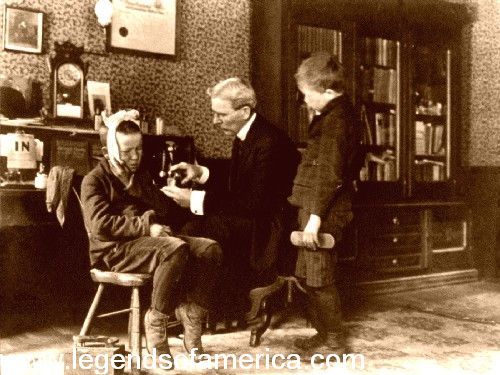
A Sick Chum, 1908
By Jesse Galanis
Imagine waking up with a fever on a ranch 50 miles from the nearest town. No pharmacy. No ER. Maybe a dusty medical kit and a neighbor who knows how to splint a broken bone. That was daily life across the Old West!
Whether you were a settler, cowboy, miner, railroad worker, homesteader, or part of an Indigenous nation, you navigated a landscape. A landscape where weather, wildlife, work, and long distances turned even small injuries into potential disasters.
This article digs into how people kept themselves alive under those conditions. Specifically, we’ll look at the following key aspects:
– Health hacks and survival tactics they used when help was far away
– How Indigenous knowledge shaped frontier medicine
– The role of folklore
– How those scrappy solutions evolved into modern practices
Read on.
Healthcare Infrastructure in the Old West
The frontier was too vast and too thinly populated to support many doctors or hospitals.
A single physician might serve an entire county. They traveled by horse or wagon with a leather bag and a few surgical tools. And a lot of nerves. Towns that could barely support a blacksmith weren’t going to build a hospital overnight. Many had none at all.
Small-town doctors wore every hat. One day, they were pulling a tooth or setting a fracture. Next, they were delivering a baby. Or amputating a crushed limb after a ranch accident. Or even trying to control a diphtheria outbreak.
Midwives were pillars of care, especially for childbirth and postpartum support. They often serve multiple communities and log countless miles. Meanwhile, traveling physicians and “circuit-riding” doctors filled gaps. They are stitching together a fragile network of medical help, one patient at a time.
Conrad Wang, Managing Director of EnableU, focuses on helping organizations operate effectively in resource-constrained environments. From that perspective, frontier healthcare appeared to be a decentralized system. Care delivered on the move, with limited tools and no formal infrastructure.
Wang says, “Frontier doctors became masters of improvisation out of necessity. They delivered care wherever they were and used whatever resources were available. They made decisions without the support systems we rely on today. That level of adaptability is still relevant in modern service delivery.”
Common medical issues and treatments
Injury infection:
If you worked outside (and almost everyone did), injury was part of life. Kicks from horses. Axe slips. Falls from wagons. Crushed fingers. Burns from cookfires. Infection was the real danger.
Before the antiseptic technique took hold in the late 1800s, even minor wounds could spiral into sepsis. The rise of antiseptic surgery under Joseph Lister in the 1860s helped, but adoption was uneven across the frontier and took time to stick.
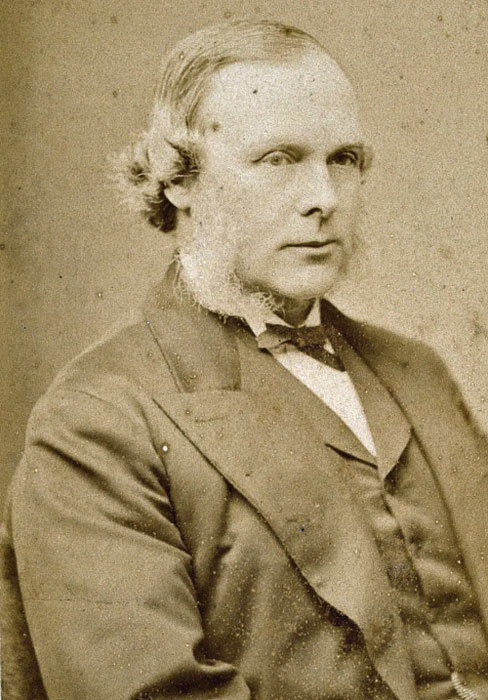
English surgeon Joseph Lister. Image source.
Waterborne diseases
These illnesses hit communities hard. Cholera tore through wagon trains on the Oregon Trail, especially between 1849 and 1855, when contaminated water and poor sanitation were a grim match.
Accounts estimate cholera caused thousands of deaths along the trail during peak migration years. Historians still cite it among the top killers of emigrants on the plains.
Smallpox
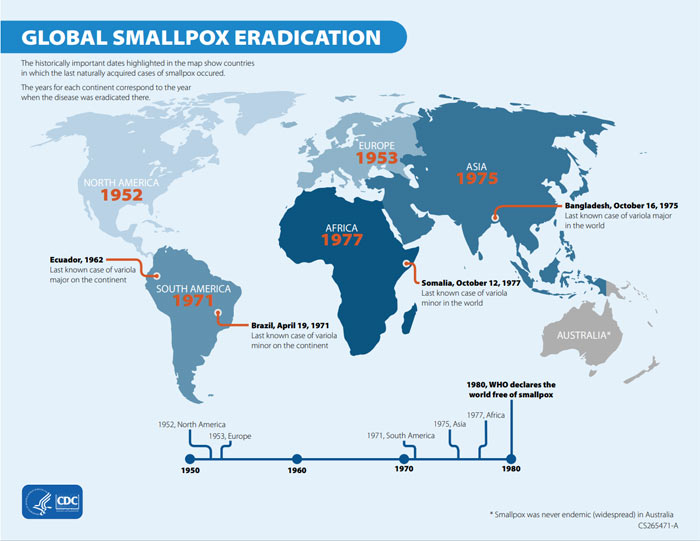
Smallpox loomed as well. Although vaccination had existed since the early 19th century, its supply and distribution on the frontier were spotty. But America also had its first medical mandate on smallpox early on.
Vaccination campaigns gradually improved access. However, distance and mistrust slowed progress. The Centers for Disease Control and Prevention (CDC) provides a clear history of smallpox and the role of vaccination in controlling it.
Treatment was rudimentary by modern standards. Bleeding and purging hung on longer than we’d like to admit.
– Opium-based tinctures (especially laudanum) were staples for pain and diarrhea.
– Alcohol functioned as a sedative, disinfectant, and morale booster.
– Ether and chloroform anesthesia, introduced in the 1840s, were used when available.
When physicians weren’t available, families relied on plant remedies and poultices. Even pragmatic hygiene, like boiling water when fuel is available.
These early approaches show how people managed care with limited tools and access. While far from today’s standards, the focus on routine and follow-up care echoes elements of a modern intensive outpatient program. Where treatment happens in structured but non-hospital settings.
The difference now is consistency and safety. A much deeper understanding of what works.
Old West Health Hacks for Medical Care
1. Herbal remedies and natural medicine
The Old West medicine cabinet was often a saddlebag and a patch of ground. Think of the herbs and plants with healing properties. People reached for what they had and what they knew:
– Willow bark for aches and fever – Contains salicin, a chemical relative of aspirin
– Yarrow for slow bleeding and wound care – grew wild across much of the West
– Mint, chamomile, and ginger for digestive issues – teas, easy to brew on a campfire
– Arnica salves for bruises and sprains – used to reduce swelling and ease muscle soreness after physical strain or injury.
– Sagebrush and juniper preparations for colds and cleansing – brewed or inhaled to help clear congestion and support respiratory relief during illness
– Spruce or pine pitch for protecting small cuts and scrapes – applied as a natural sealant to help cover wounds and keep dirt out while they heal
They are all part of the Native American healing process. Much of this knowledge came from Indigenous healers with centuries of experience with regional plants. Frontier families learned from neighbors, trading knowledge alongside food and tools.
Old West herbal medicine indeed reflects a practical, results-driven approach. Using natural substances to manage pain and support healing when no alternatives were available.
Many frontier remedies were based on observation and outcomes. People relied on plants that helped manage pain and support recovery. While the science wasn’t fully understood at the time, some of these natural compounds are still studied and used today.
2. Self-sufficiency and preventive measures
When calling a doctor meant saddling a horse, prevention mattered. People focused on staying ahead of illness because care was slow and limited.
Today, access looks very different. Services like TRT online reflect how modern care can be proactive and convenient. Even available without long travel or delays.
The steps below weren’t always easy to maintain as habits on the move. However, the families who stuck to them fared better:
– Boiling questionable water
– Keeping cooking and butchering separate
– Isolating the sick when feasible
– Basic handwashing
Preventive measures:
A. People kept “receipt books” (recipe books) of remedies that worked for them:
– Onion syrups for coughs
– Bread-and-milk poultices for boils
– Honey on minor wounds
– Vinegar rinses for sore throats
B. They taught kids to:
– Clean cuts right away
– Immobilize a sprain
– Keep an eye on the fever
C. Community was a lifeline. Neighbors traded skills:
– A midwife here
– A rancher who could stitch there
– Someone with a serviceable tourniquet method down the road
If you’ve ever seen a well-loved notebook full of grease stains and clipped pages, you’ve got the right picture. Historical “domestic medicine” manuals were common references. Today, you can still browse many of them online.
A simple search for Gunn’s Domestic Medicine on the Internet Archive turns up multiple editions.

Wade O’Shea, Founder of BusCharter.com.au, runs a business built on logistics and long-distance passenger transport. He cites frontier healthcare as an example of how people adapted when access was limited. Relying on basic skills and community support to stay healthy.
O’Shea shares, “When help is far away, prevention and self-sufficiency become essential. Frontier families kept remedy books. They taught basic care at home. They relied on neighbors to fill gaps. It was a practical system built around distance, timing, and shared knowledge.”
3. The role of folklore and superstitions
When medicine is uncertain, stories fill the gaps. Folk remedies blended hope and habit. Sometimes with real practical value, and other times shaped by belief and tradition.
In contrast, modern systems rely on structure and coordination. Think of how an executive assistant staffing agency provides VAs who help CEOs manage schedules, medical appointments, and travel with precision. This ensures nothing is left to guesswork or chance.
Some practices had a kernel of truth:
For instance, spider webs were packed onto wounds partly because the mesh helped with clotting. And the web’s stickiness held makeshift bandages in place.
Others were pure superstition:
– Wearing a potato in your pocket to ease rheumatism
– Burying a piece of bacon to get rid of warts
– Timing tooth extractions to the moon phases to reduce bleeding
Andrew Scheidt, General Manager at Central Air Heating, Cooling & Plumbing, has observed how systems and structures reduce uncertainty in high-pressure situations. From that perspective, frontier folklore worked as an informal system of guidance when formal medical support wasn’t available.
Scheidt notes, “Folk remedies served both psychological and practical purposes in frontier medicine. Some practices had genuine therapeutic value, while others provided comfort through ritual and shared belief.”
The Evolution of Medical Practices Post-Old West
As railroads knitted towns together and telegraphs sped up the flow of news, medical knowledge spread faster.
– Doctors’ clubs became formal associations.
– Medical schools’ standardized curricula.
– Public health boards gained teeth.
The resourcefulness of Old West healthcare providers created a foundation for American medical innovation. Their documentation of treatments and willingness to experiment influenced how we approach rural healthcare delivery and emergency medicine training even today.
The rough-and-ready fixes of the frontier nudged American medicine toward greater practicality and preparedness. Even more focused on what actually worked.
©Jesse Galanis, for Legends of America, submitted April 2026.

Jesse Galanis
About the Author: Jesse Galanis is a professional writer whose aim is to make complex concepts easy to understand. He strives to provide quality content that assists people in everyday life.
More from Jesse Galanis:
America’s First Electric Cities: How Urban Lighting Changed Nightlife and Culture
Discover Your Roots: Step-by-Step Guide to American Genealogy Research
Hidden Figures: Unsung Women Who Shaped America’s Frontier
Hidden Figures of American History: Untold Stories from Across the States
Preserving History in a Changing America: Modern Challenges
Best Fall Getaways With Historical Roots: Leaves, Legends, and Small Town America
Also See:
Smallpox and America’s First Medical Mandate
Medicine Men & Healing Practices