
By Ck Harrington.
Nestled in the embrace of Smoky Mountain National Park, Daisy Town‘s serene cabins and rich history whisper tales of a bygone era. Once a bustling logging camp, the town has weathered change, evolving from a humble industrial outpost into a tourist destination. Its story is intricately woven into the tapestry of American history, reflecting the birth of tourism and the inception of the National Parks.
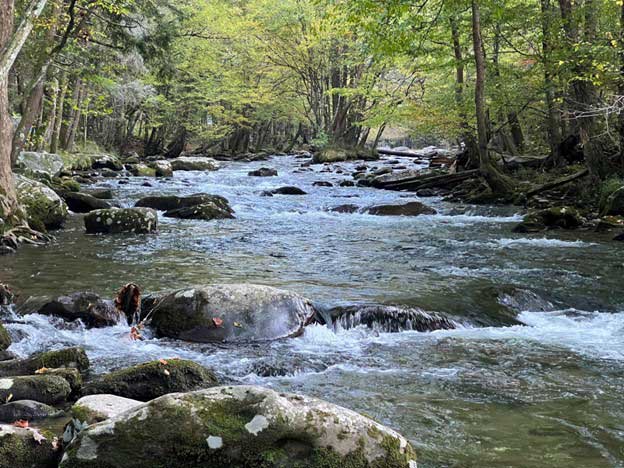
Image Credit: Ck Harrington
Birth of Daisy Town: Lumber & Lumber Jacks: 1830s – 1919
Known initially as Elkmont, Daisy Town’s roots trace back to the early 19th Century when the Smoky Mountains were abundant with towering timber. Driven by demand for lumber, the Little River Lumber Company established a network of rail lines that snaked through the mountains, ushering in an era of logging camps and support structures.
However, picturesque summer weather and bountiful hunting and fishing opportunities transformed Elkmont into a leisure destination for East Tennessee residents, including lumber executives, loggers, and others. Before long, the trains traveling the winding mountain tracks added more and more passenger cars. By 1919, the area’s harvestable lumber was depleted. As the lumber industry declined, Daisy Town shifted to leisure, marking the start of modern wildlife recreation.
As the lumber industry faced decline by the turn of the century, a new chapter began. The Little River Lumber Company leased land to sporting clubs and locals, paving the way for constructing cabins that still define Daisy Town. The Appalachian Club, a communal structure, emerged as a cornerstone of this burgeoning community. Affluent visitors from Knoxville sought refuge from the summer heat, utilizing the company’s rail lines to reach Elkmont.
Executive Leisure & The Birth of The National Parks
As lumber operations declined, Elkmont transitioned, and the national conversation turned to preserving the nation’s natural beauty. In 1934, the establishment of the Great Smoky Mountains National Park brought Elkmont, Daisy Town, and Cades Cove under its protective umbrella. Daisy Town, affectionately known as Club Town for its social clubs, played a vital role in advocating for the park’s preservation. Its residents signed a historic agreement, exchanging land deeds for lifetime leases and a commitment to the National Park Service’s vision.
The dawn of the National Park System intertwined with Daisy Town’s fate, marking the end of one era and the start of another. By 1935, almost 80 cabins stood proudly in Daisy Town, mirroring the transformation from a logging town to a recreational haven. The town’s neighborhoods, like Wunder Land and Millionaire’s Row, echoed with the laughter of vacationers enjoying summer dances and holiday celebrations.
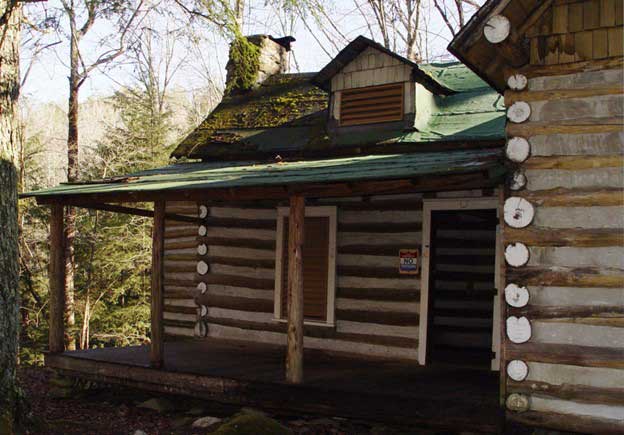
Sneed Cabin, Elkmont, Tennessee, Image Credit: Steven Price
The Long Slow Death and Reincarnation
The 1950s saw Elkmont flourish as a vacation haven, yet the absence of electricity posed a challenge—residents agreed to shorten their leases to 20 years in exchange for electricity in 1952. As public campgrounds were established in 1961, Daisy Town’s days seemed numbered. Although the leases were extended again in 1972, by 1992 the last residents were evicted, and demolition began on various cabins, threatening the town’s legacy.
Former residents pleaded with the park service to permit restoration and preservation efforts. But environmentalists championed destroying the cabins to return the land to its natural beauty. The National Park Service was caught in the middle of the debate but sided more with the environmentalists and the stated directive of Natural Preservation.
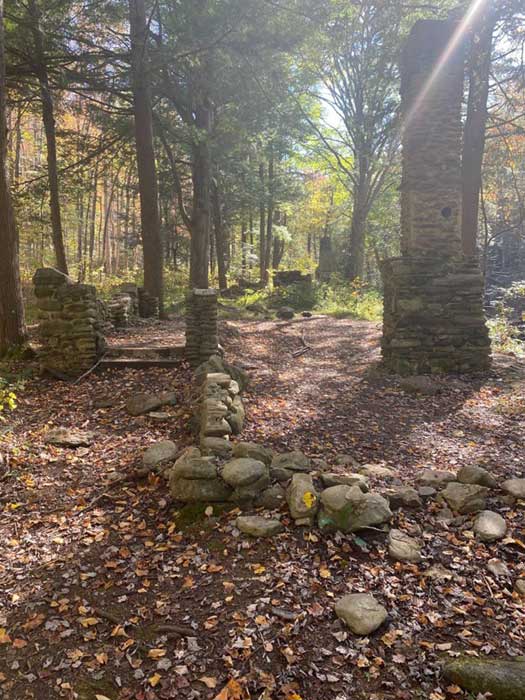
Image Credit: Ck Harrington
Over the next decade and a half, Daisy Town and its cabins were either actively demolished or fell into disrepair. When the National Park Service was established, the Daisy Town cabins were still relatively new. But by the late 1990s, the cabins were nearly 100 years old, even in disrepair.
Daisy Town’s fortunes shifted when it was designated on the National Historic Registry in 1994. Representing the “birth of tourism,” Daisy Town now had the historical gravitas necessary to keep shining.
Amid passionate debates, a compromise emerged in 2006, preserving 19 cabins and demolishing the remaining structures. Thanks to former residents’ dedication, Daisy Town was reborn as the Historic Elkmont District, a testament to the power of preservation and activism. While some cabins are sparsely decorated historical relics, others serve as venues for celebrations and reunions, breathing life into the town once more.
There were accusations of intentional delay on the part of the National Park Service, as restoration was started in the 2010s. The truth is that the National Park Service had technical and logistical concerns to address. For instance, most of the cabins were built in the early 1900s. Nearly all the cabins’ foundations were made of stacked stone. No cabin shared a building plan or guideline with any other cabins. Adding to the National Park Service’s headache was the rule that restoration could not harm the Smoky Mountains’ flora and fauna.
Daisy Town stands as a tourism legend and a history of contradiction. It started as a labor camp and evolved into a tourist destination. And then from a tourist town into a ghost town. It now exists as both a ghost town and a tourist destination. While restoration is not expected to be finished until 2025, the future looks bright for Daisy Town.
Visitors can now return to explore the buildings and their history. The Appalachian Club House and Spence Cabin now serve as rentable venues for various community and family events.
The Legends of Recreation
Today, Daisy Town’s once-private cabins are open to the public, inviting visitors to return in time and relive the spirit of the past. While the town’s permanent residents are now the wildlife of the Smokies and those laid to rest in its cemetery, its legacy resonates with vitality. Once the heart of leisure, Daisy Town now stands as a testament to the relationship between nature, history, and humanity. As visitors wander among the cabins, they follow those who shaped not only Daisy Town but also the idea of national parks in America.
©Ck Harrington, for Legends of America, submitted August 2023, updated October 2026.
 About the Author: Ck Harrington is a Digital PR representative for Independence Bunting, a regular Elkmont camper, and a frequent Daisy Town visitor. Ck has never seen a ghost in Daisy Town or anywhere else, but will attest to an eerie presence still inhabiting Daisy Town, especially when the moon is full or the wind kicks up.
Also See:
Great Smoky Mountains National Park
Cades Cove Scenic Loop, Tennessee
Tennessee – The Volunteer State
Sources:
Friends of the Smokies
WBIR TV (YouTube video)
National Park Service