
By Ron King.
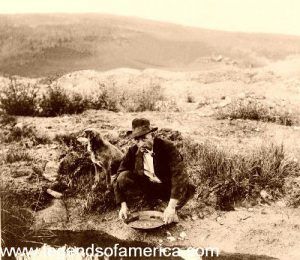
Gold Panning.
Gold Panning is a great outdoor activity that can be fun for people of all ages and health. You can pan for gold if you can walk slightly off the beaten path. Despite the metal detectors, sluice boxes, and other large equipment often associated with this activity, the equipment needed to pan for gold successfully is limited, affordable, and lightweight.
The Quest
The quest for gold is hardly a new thing. We all know of the gold rush and have heard stories about the vast amounts of gold found. While the large deposits of gold are not as easy to find now, the total amount of gold available has not decreased significantly. There is still plenty waiting — for you.
It is estimated that only about 15% of the gold available was found during the gold rush. There are approximately 1 billion ounces of gold flowing through the streams in North America right now.
What You Need To Know To Start
One nice thing about gold panning is that there isn’t much you need to know to regularly find gold. The necessary information to get started is fairly basic, and any good prospecting shop will have the answers for you.
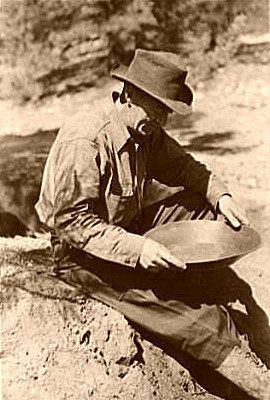
Gold Panning in New Mexico.
Find out about the local laws on gold panning and claim staking. Typically, it is legal for a person to pan for gold anywhere they like, as long as they only use a gold pan. Some exceptions include native reserves and wildlife reserves. Landowners usually do not own streams that pass through their land, but it is wise to seek permission in case of dogs or other dangers. As a hobbyist, you can even gold pan on a staked claim, but the claim’s owner may become agitated and ruin your day — or worse.
Research the geology and history of the area you are going to by talking to a prospecting store. If there is no gold in that area, then there is no point in trying. However, there may be other valuables there, such as silver, platinum, or precious stones, that can be recovered.
Learn how gold flows along a stream. For example, gold often stops moving when it hits slow-moving water. Because of its density, gold will quickly sink to the bottom of any dirt and rock. This means that gold is usually found behind rocks in streams as the water eddies.
Get some basic training on how to gold pan. Gold panning isn’t hard, but the proper technique can mean the difference between finding lots or just a little.
Learn to identify gold in your pan. Once you’ve seen it, there is no mistaking it. Most prospecting stores have placer gold flakes on hand, and if you ask nicely enough, they may let you put a flake in your pan with some water and fine gravel.
So what are you waiting for?
©2005 Ron King, updated March 2026.
About the Author: Ron King is a full-time researcher, writer, and web developer. Visit http://www.panning-gold.com to learn more about this fascinating subject. Article Source: Ezine Articles (dead link)